Preheat Time: Steel vs Stone (and Why the Gap Matters)

A 6mm steel wants about 45 minutes to fully preheat; a stone wants 45–60. The number people actually give them — 20 minutes — is why both surfaces disappoint. Preheat is the cheapest, highest-leverage variable in home-oven pizza, and it’s the one almost everyone short-changes. This guide explains how long each surface really needs, why steel heat-soaks faster than stone, and the recovery-time reality between pizzas that decides whether your third bake is as good as your first.
This is the detail that sits underneath the whole steel vs stone decision. Whatever surface you’ve chosen — and if you went steel, whatever thickness you bought — it only performs to its ceiling if it’s fully heat-soaked before the first pizza lands.
Surface-hot vs heat-soaked: the distinction that matters
Here’s the core idea most people miss: a baking surface has two temperatures that matter, and they’re not the same. The surface temperature climbs fast — within 20 minutes a steel’s top can read hot. But the core temperature, the heat stored deep in the slab’s mass, lags well behind. When you launch a pizza, the cold dough immediately pulls heat out of the surface. If the core is fully loaded, it feeds that heat back instantly and the surface barely dips. If the core is still cold — because you only waited 20 minutes — the surface temperature crashes when the pizza lands and stays low, giving you a pale, under-baked base.
“Heat-soaked” means the whole mass, core included, has reached temperature. That’s what you’re actually waiting for, and it takes far longer than the surface reading suggests. The oven’s air thermostat reaching temperature tells you nothing about the slab — the oven air heats in minutes while the slab takes the better part of an hour.
How long each surface really needs
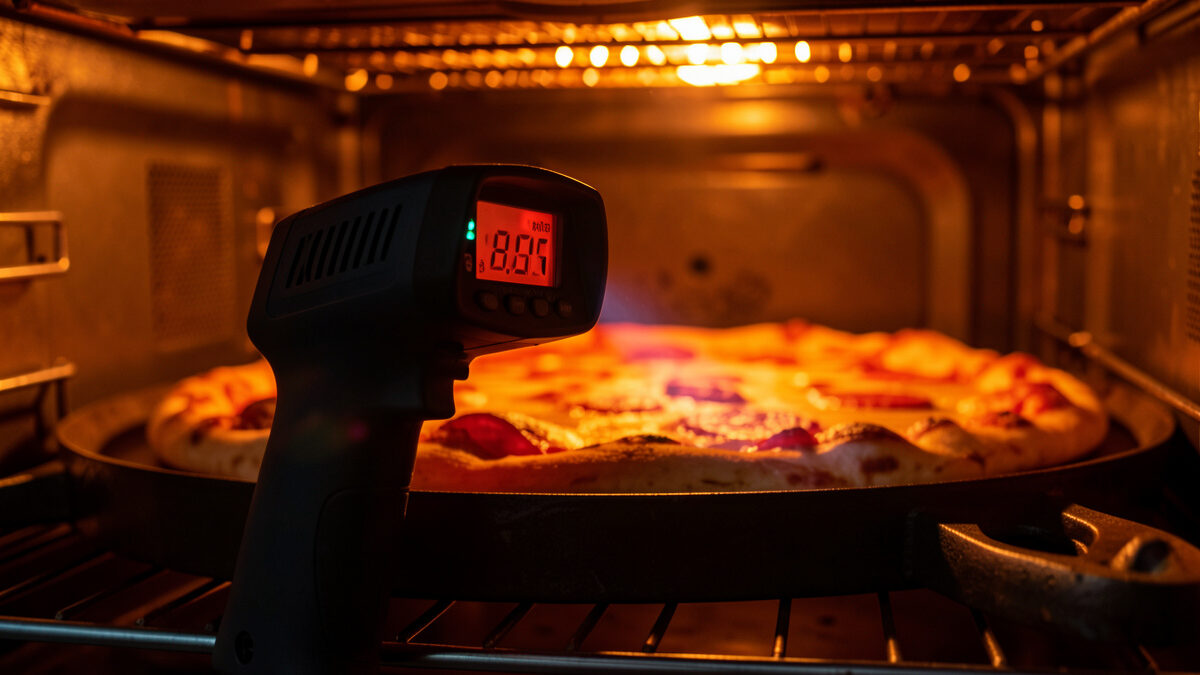
From my own bench, checking surfaces with an IR gun rather than guessing:
| Surface | Surface hot | Fully heat-soaked | Recovery between pizzas |
|---|---|---|---|
| 4mm steel | ~15 min | ~35 min | Fast surface, but small reservoir fades by pizza 2 |
| 6mm steel | ~20 min | ~45 min | Fast — recovers well for 2–3 pizzas |
| 8mm steel | ~25 min | ~60 min | Excellent, recovers across a session |
| Stone / cordierite | ~25 min | ~45–60 min | Slower — surface recovers more gradually |
Two things jump out. First, steel heat-soaks faster than stone of comparable usefulness because steel conducts heat through its mass more efficiently — the heat reaches the core quicker. A stone, being a worse conductor, takes longer for that core heat to penetrate, which is why under-preheating punishes a stone even harder than a steel. Second, the recovery column is where the real-world experience lives: steel pulls heat from the oven body back up to its surface faster between bakes, so multi-pizza nights stay consistent, while a stone’s surface recovers more slowly and your later pizzas go progressively paler.
Why a stone punishes impatience more than steel
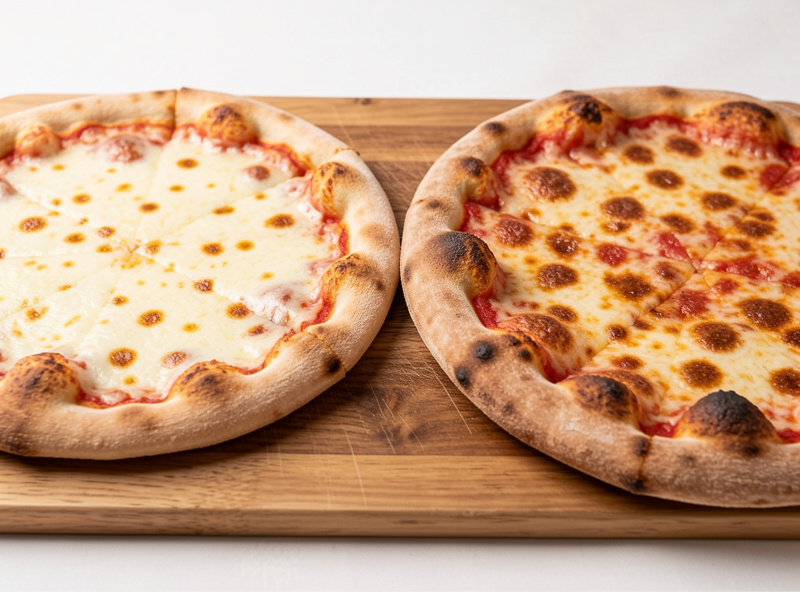
If you take one practical lesson from the steel-versus-stone preheat difference, it’s this: a stone is less forgiving of a rushed preheat. Because ceramic conducts heat so much more slowly, a stone given 25 minutes has a hot face and a stubbornly cold core, and that cold core means the surface temperature collapses the moment a pizza lands and recovers painfully slowly. People buy a stone, give it the same 20 minutes they’d give a sheet pan, get a pale base, and conclude “stones don’t work.” Stones work fine — they just demand the patience their material requires. A steel is a little more forgiving of a short preheat simply because it conducts heat to its core faster, but neither surface performs on 20 minutes.
The recovery-time reality between pizzas
Preheat gets you the first pizza. Recovery time decides the rest of the night. Every pizza you launch steals heat from the surface, and the surface needs time to climb back before the next one. On a 6mm steel I get a comfortable rhythm of a pizza every several minutes with bases staying consistent, because the steel feeds its surface back quickly from the oven’s stored heat. On a stone, that rhythm has to slow down — rush it and pizza three lands on a surface that hasn’t recovered, and you’re back to pale bases. The practical move on a stone is to either wait longer between launches or accept that later pizzas need a slightly longer bake. The full surface comparison, including how this plays into which to buy, is in the steel vs stone verdict.
Does a hotter oven preheat the surface faster?
Yes, but with a catch worth understanding. A higher oven temperature does drive heat into the slab faster, so running your oven at its maximum from the start shortens the soak compared to preheating at a lower temperature and bumping it up later. The catch is that “faster” still isn’t “fast” — even maxed out, a 6mm steel’s core needs that 45-minute window, because the rate heat penetrates the mass is limited by the material itself, not just the oven air. Cranking the oven helps; it doesn’t let you skip the wait. The other reason to preheat at max from the start is consistency: a slab that’s been soaking at full temperature for 45 minutes is in a stable, predictable state, whereas one you’ve just ramped up is still equalizing and behaves unpredictably from pizza to pizza.
This is also why I never preheat the oven empty and add the surface later. The slab needs to soak with the oven, from the start of the preheat — sliding a cold steel into an already-hot oven just resets the clock on the part that actually matters.
Cold-climate preheat note
One thing I notice baking in a cold Swedish kitchen in winter: a cold ambient room and a cold-stored steel lengthen the soak. A steel that’s been sitting in an unheated space starts further from temperature, so give it a few extra minutes in genuinely cold conditions. It’s a small effect indoors, but it’s real, and it’s the same heat-retention thinking that makes outdoor baking in the cold so much harder — everything starts colder and fights you longer. Indoors it’s a minor adjustment; just don’t assume a winter-cold steel soaks as fast as a summer one.
The flip side is storage humidity for a stone: a stone stored somewhere damp can absorb moisture, and that trapped moisture has to cook off during preheat before the stone will climb properly — another reason a stone benefits from the full soak and from being stored dry. A steel doesn’t have this problem, but it has its own: a steel stored in a humid space can develop surface rust that you’ll want to wipe and re-oil before baking. Neither is a dealbreaker; both are reasons the preheat is doing more work than just adding heat — it’s also driving off whatever the surface picked up in storage.
How to actually check it
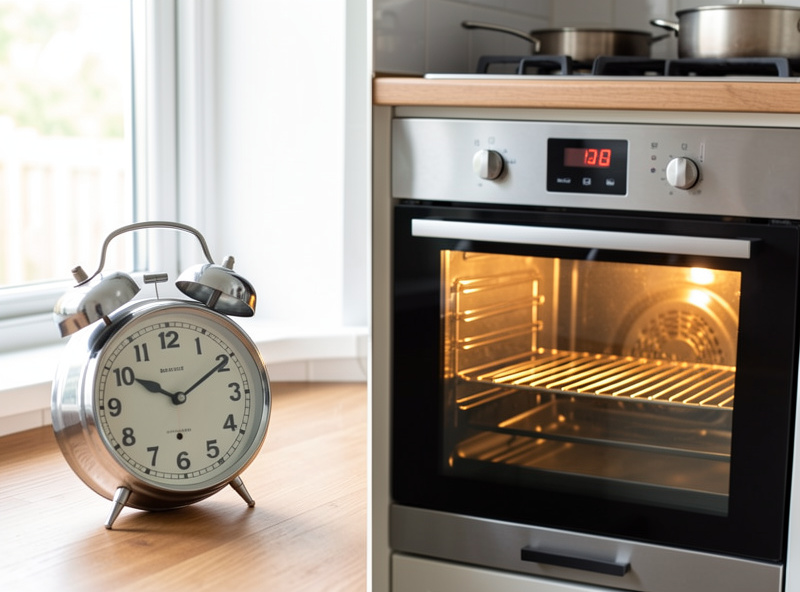
Stop trusting the oven dial. The dial tells you the air temperature, which reaches setpoint in minutes and tells you nothing about the slab. An infrared thermometer pointed at the surface is the only honest read of whether your steel or stone is ready — and a fully-soaked surface often reads 30–50°C different from where you’d guess. If you don’t have an IR gun, the fallback is simply time: set a timer for a full 45 minutes after the oven reaches temperature and don’t launch before it goes off, no matter how hot the surface looks. The patience is free; the disappointment of a pale base is not. This same instrument-the-oven discipline runs through the broiler method, where a cold-core steel is the number-one failure mode.
Frequently asked questions
How long should I preheat a pizza steel?
About 45 minutes for a 6mm steel to fully heat-soak, not the 20 minutes most people give it. The surface reads hot quickly, but the core takes far longer, and a cold core means the surface temperature crashes when the pizza lands. Thicker steel needs longer still.
Does a stone take longer to preheat than steel?
Yes. Ceramic conducts heat more slowly than steel, so the core of a stone takes longer to come up to temperature – typically 45-60 minutes for full heat-soak. This is also why under-preheating punishes a stone even harder than a steel.
Why is my pizza base pale even though the oven is hot?
The oven air reaches temperature in minutes, but the baking surface’s core takes far longer. A pale base almost always means you launched onto a surface that was hot on the face but cold in the core, so its temperature collapsed when the pizza landed.
How long between pizzas to let the surface recover?
On a 6mm steel, a few minutes is usually enough – it recovers its surface temperature quickly. A stone recovers more slowly, so either wait longer between launches or accept that later pizzas need a slightly longer bake to compensate.
Can I tell if my steel is ready without a thermometer?
An infrared thermometer is the reliable way, since the oven dial only reads air temperature. Without one, use time as your guide: a full 45 minutes after the oven reaches setpoint, regardless of how hot the surface looks, gets a 6mm steel reliably heat-soaked.
Further reading
- Pizza steel vs stone: the home-oven verdict
- The broiler method for home-oven pizza
- Pizza steel thickness: how thick is worth it?
More from This Cluster
- “Home Oven Max Temp Workarounds for Better Pizza”
- “Pizza Stone and Steel Care: Cleaning
- “Pizza on the Grill With a Stone: What Actually Works”
- “The Broiler Method: Real Neapolitan-ish Pizza in a Home Oven”
- “Pizza Steel Thickness: How Thick Is Worth It?”
- “Pizza Steel vs Stone: The Honest Home-Oven Verdict”

About Kenny Nyhus Fadil
A home pizza maker documenting deck temps, dough logs, and the occasional wrecked launch.
Keep Baking
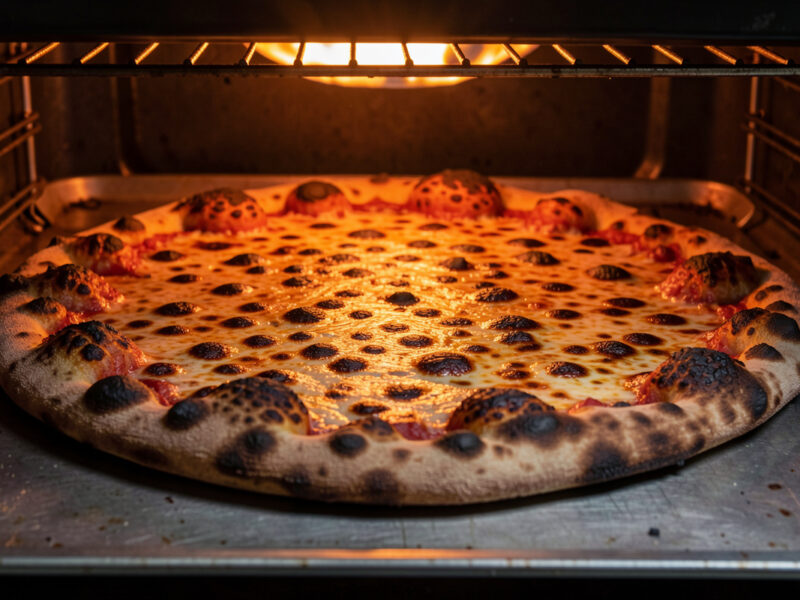
The Broiler Method: Real Neapolitan-ish Pizza in a Home Oven
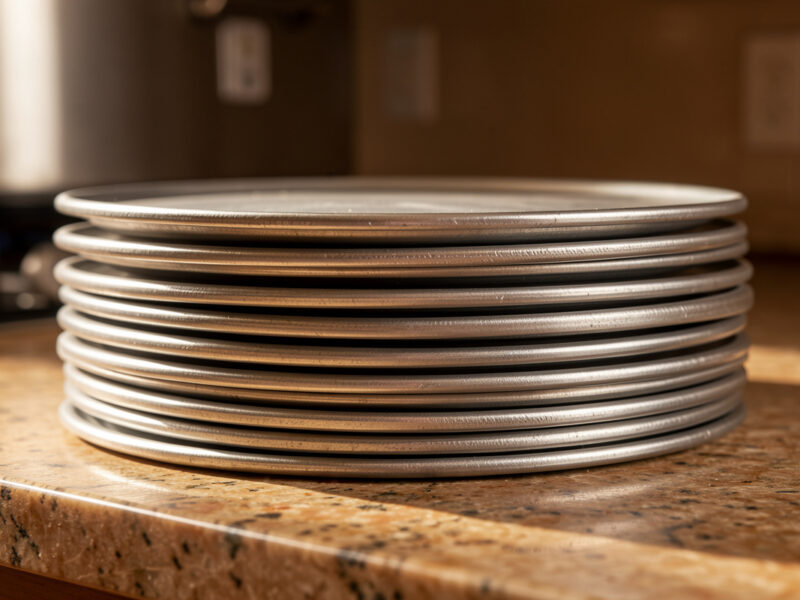
Pizza Steel Thickness: How Thick Is Worth It?