Stone-Ground vs Refined Flour for Pizza

Refined roller-milled flour gives a pizza more consistent strength, a cleaner gluten network, and an easier-to-handle dough; stone-ground flour gives more aroma, flavor, and grain character but is coarser, thirstier, and less consistent. For most home pizza the smart move is a refined white base with 15–25% stone-ground blended in — you get the structure of one and the flavor of the other without the drawbacks of going all-in on stone-ground.
This is one of those debates where the “artisan” answer and the “best pizza” answer are not always the same. Stone-ground flour carries genuine romance and real flavor, but milling method changes how a flour behaves in ways that matter at the dough stage and again at the launch. I bake both against my standard control dough, and the verdict is less about which is “better” and more about what each is for. If you want the wider context of how milling sits alongside protein and grain choice, the flour selection guide frames it; this article is the milling-method deep dive.
What stone-ground and refined flour actually mean
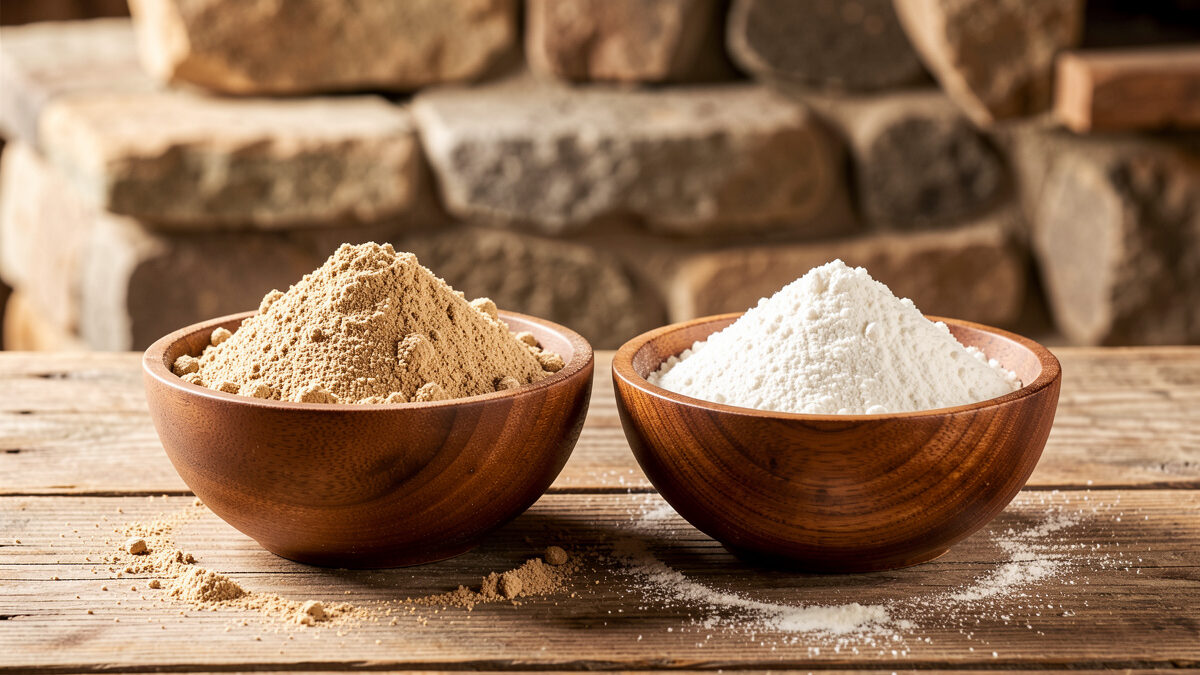
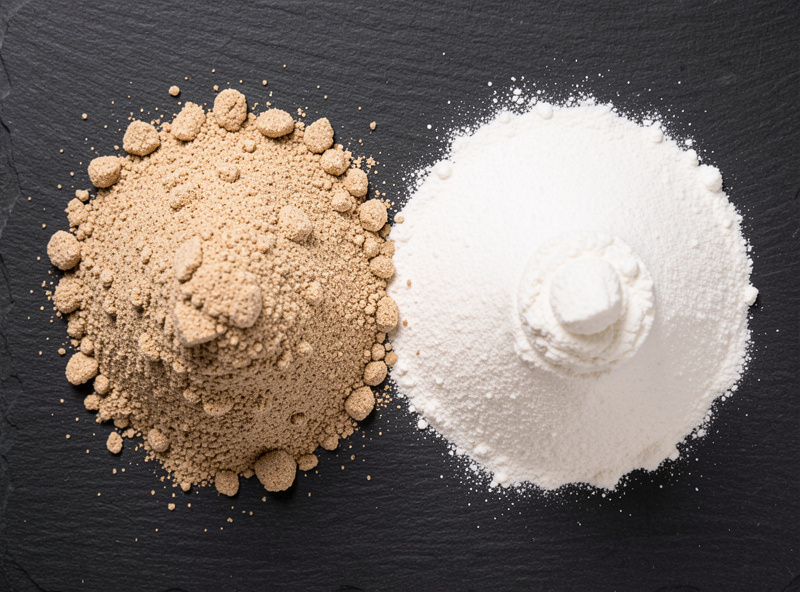
The terms describe how the wheat was milled, not how strong it is. Stone-ground flour is crushed between two rotating stones, the old way (the traditional gristmill method). The stones grind the entire kernel — bran, germ, and endosperm — together in one pass, and unless it is later sifted the result keeps most of the whole grain. The grind is slightly coarser and a little uneven, and the process keeps the flavorful germ oils in the flour. Refined flour is milled on modern steel roller mills that crack the kernel and progressively separate the white endosperm from the bran and germ, then grind that endosperm very fine and uniform. The result is a clean, consistent white flour with the perishable germ removed.
So the real difference is twofold: what stays in the flour, and how uniform the particles are. Stone-ground keeps more of the grain and grinds it coarser; refined strips the grain back to white endosperm and grinds it fine and even. Note that “stone-ground” does not automatically mean whole grain — some stone-ground flours are sifted to remove the coarsest bran — and “refined” simply means roller-milled white flour. Once you see it as a milling question, the trade-offs make sense. The bran-and-germ side of this overlaps heavily with the whole wheat guide.
How each behaves in pizza dough
Refined white flour is the easier dough to make. Its uniform fine particles hydrate predictably, its clean endosperm builds a strong, organized gluten network, and with the bran removed nothing interrupts the strands — so you get reliable structure, good oven spring, and a dough that handles the same way every time. That consistency is exactly why refined 00 and bread flours dominate pizza: when you are learning a dough by feel, a flour that behaves predictably is worth a great deal.
Stone-ground flour is more characterful and more demanding. The retained bran fragments physically cut the gluten network — the same mechanism that limits whole wheat — so a high-stone-ground dough is weaker, tears more easily, and holds a less dramatic rim. The coarser, uneven particles also drink more water and keep absorbing it after mixing, so the dough needs higher hydration and a longer rest to come together. In return you get a depth of wheat flavor and a toasty aroma that refined flour simply does not have. It is a flavor-for-structure trade, and the way to win it is rarely to go all stone-ground. The structural side is explained in the gluten development guide.
Stone-ground vs refined: the trade-offs side by side
| Factor | Refined (roller-milled) | Stone-ground |
|---|---|---|
| Gluten/structure | Strong, clean, reliable | Weaker, bran interrupts the network |
| Flavor & aroma | Clean, mild, neutral | Deep, nutty, toasty, complex |
| Consistency | Very uniform batch to batch | More variable, coarser grind |
| Hydration | Predictable | Thirstier, needs more water and rest |
| Shelf life | Long (germ removed) | Short (germ oils go rancid) |
| Best role | The base flour | A 15–25% flavor addition |
Read down that table and the conclusion writes itself: the two flours are good at opposite things. Refined wins on structure, consistency, and convenience; stone-ground wins on flavor and character. Neither is a complete pizza flour on its own for most bakers — which is why the blend is the answer rather than a winner-take-all verdict, the same logic I use for semolina and whole wheat.
The blend is usually the answer
Just as with whole wheat, the sweet spot for stone-ground flour is as a percentage of a strong refined base, not as the whole recipe. Blending 15–25% stone-ground into a strong white flour gives you most of the flavor and aroma benefit while the refined base carries the gluten structure for a proper rim. At that ratio the dough still handles well, opens cleanly, and bakes with good spring, but it tastes noticeably deeper and more interesting than an all-white crust. I treat stone-ground the way I treat any high-character flour: a seasoning measured into a reliable base.
If you want to push the stone-ground character further, you can, but expect the same compromises as high-percentage whole wheat — a denser, more tearing crust — and lean on a very strong base and extra hydration to compensate. Add the extra water (a few points per 25% stone-ground), give the dough a longer autolyse so the coarse particles and bran soften, and consider a cold ferment to mellow any raw-bran edge. Those are the same adjustments the whole wheat guide covers, and they apply directly because both are about handling whole-grain particles in a dough.
Freshness is the hidden variable
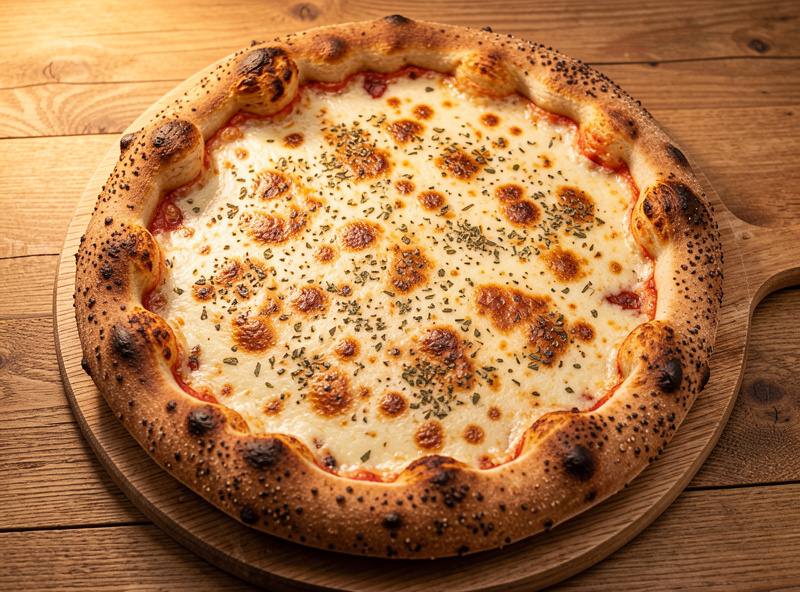
The single most overlooked fact about stone-ground flour is that it spoils. Because it keeps the oily germ, stone-ground flour goes rancid far faster than refined white flour — within a couple of months at room temperature it can turn bitter and slack, which quietly ruins the flavor advantage you bought it for. A lot of disappointment with stone-ground pizza traces back to stale flour, not the milling method. Buy it fresh in small quantities, store it sealed in the freezer, bring it to room temperature before mixing, and date the bag when you open it.
Refined flour, by contrast, is forgiving — with the germ removed it keeps its baking quality for a year or more in a cool cupboard. This is part of why refined flour became the commercial standard: it ships, stores, and performs consistently. If you value the flavor of stone-ground, treat it like the perishable ingredient it is, and you will taste the difference. As an Amazon Associate I earn from qualifying purchases. If a local mill is not within reach, a search for stone-ground flour turns up options; check the milling date or buy small so it is fresh when you bake.
Which should you use?
Choose by what you are optimizing. If you want the most reliable, easiest-to-handle pizza with the best structure — especially while you are still learning your dough — a refined strong flour is the right base, full stop. If you have your dough dialed in and you are chasing more flavor and grain character, blend 15–25% fresh stone-ground into that refined base and enjoy a more complex crust without giving up the rim. Only go heavily stone-ground if rustic, whole-grain flavor is the entire point and you accept a denser result, and even then keep a strong base under it.
In my own rotation the refined flour is the workhorse and the stone-ground is the flavor lever I reach for when I want a more characterful slice — never an either/or. The milling method is one variable among several, and like the others it pays off most when matched to a clear goal rather than chosen for romance. Get your base flour and structure right first, then use stone-ground to add the character that makes a crust memorable. The 00 vs bread flour comparison and the complete dough guide round out the base-flour side of the decision.
What the dough log says about stone-ground blends
Across my own bakes the pattern is consistent enough to trust. A 20% fresh stone-ground blend cut into a strong refined base — I run Caputo or a strong bread flour as the carrier — is the ratio I come back to most: baked on my Effeuno electric with the biscotto stone fully heat-soaked, the crust browns a shade deeper, carries a clear toasty aroma when it comes off the stone, and still opens cleanly by hand without tearing. Push the same blend to 40% and the difference is stark — the dough drinks noticeably more water, needs a longer rest, and the rim sits lower and chewier, which is lovely for a rustic pan-style slice but wrong for a light Neapolitan.
The other thing the log makes obvious is the freshness penalty. A blend made with stone-ground flour that had been open a few months tasted flat and slightly bitter next to the same blend from a freshly opened bag — same recipe, same oven, completely different crust. That single comparison is what turned me into a stickler about buying stone-ground small and keeping it cold. Milling method gives you the potential for flavor; freshness decides whether you actually taste it.
Frequently Asked Questions
Is stone-ground flour better than refined flour for pizza?
Neither is simply better. Refined roller-milled flour gives stronger, more consistent structure and easier handling. Stone-ground gives more flavor and aroma but is coarser, thirstier, and weaker because retained bran cuts the gluten. For most home pizza, a refined base with 15-25% stone-ground blended in is the best of both.
What is the difference between stone-ground and roller-milled flour?
Stone-ground flour is crushed between rotating stones, grinding the whole kernel including bran and germ in one coarser pass. Roller-milled refined flour uses steel rollers to separate and finely grind the white endosperm, removing the bran and germ. The result is a cleaner, stronger, more uniform white flour.
Can you make pizza with 100% stone-ground flour?
You can, but expect a denser crust that tears more easily, because the bran fragments weaken the gluten network and the coarse particles need more water. Use a very strong approach, higher hydration, and a long rest. Most bakers get better results blending stone-ground into a strong refined base instead.
Why does my stone-ground pizza dough taste bitter?
Usually because the flour is stale. Stone-ground flour keeps the oily germ, which goes rancid within a couple of months at room temperature and turns bitter and slack. Buy it fresh in small amounts, store it sealed in the freezer, and bring it to room temperature before mixing.
How much stone-ground flour should I add to pizza dough?
Blend 15-25% stone-ground into a strong refined base for most of the flavor and aroma without losing structure. Add a few percentage points of extra water per 25% stone-ground and give the dough a longer rest so the coarse particles and bran soften before shaping.
Further Reading
- Best Flour for Pizza: The Complete Guide
- Whole Wheat Pizza Dough Tips
- Understanding Gluten Development in Pizza Flour
- Semolina in Pizza Dough: How and Why to Use It
- 00 Flour vs Bread Flour for Pizza

About Kenny Nyhus Fadil
A home pizza maker documenting deck temps, dough logs, and the occasional wrecked launch.