00 Flour vs Bread Flour for Pizza: What Actually Matters

The 00 flour versus bread flour question trips up more home pizza makers than almost anything else, mostly because of one persistent myth: that “00” means high protein or “pizza flour.” It doesn’t. 00 refers to how finely the flour is milled, not how much protein it contains — and protein is the thing that actually decides how your dough behaves. Understanding that one distinction will change how you shop for flour and probably improve your crust more than buying any new gear.
I keep both on the bench and rotate between them depending on which oven I’m baking in that night, because they genuinely shine in different conditions. This is the honest breakdown of what each one does, when to reach for which, and why the protein number on the bag matters more than the “00” on the front. It builds on the fundamentals in the complete pizza dough guide.
What “00” Actually Means
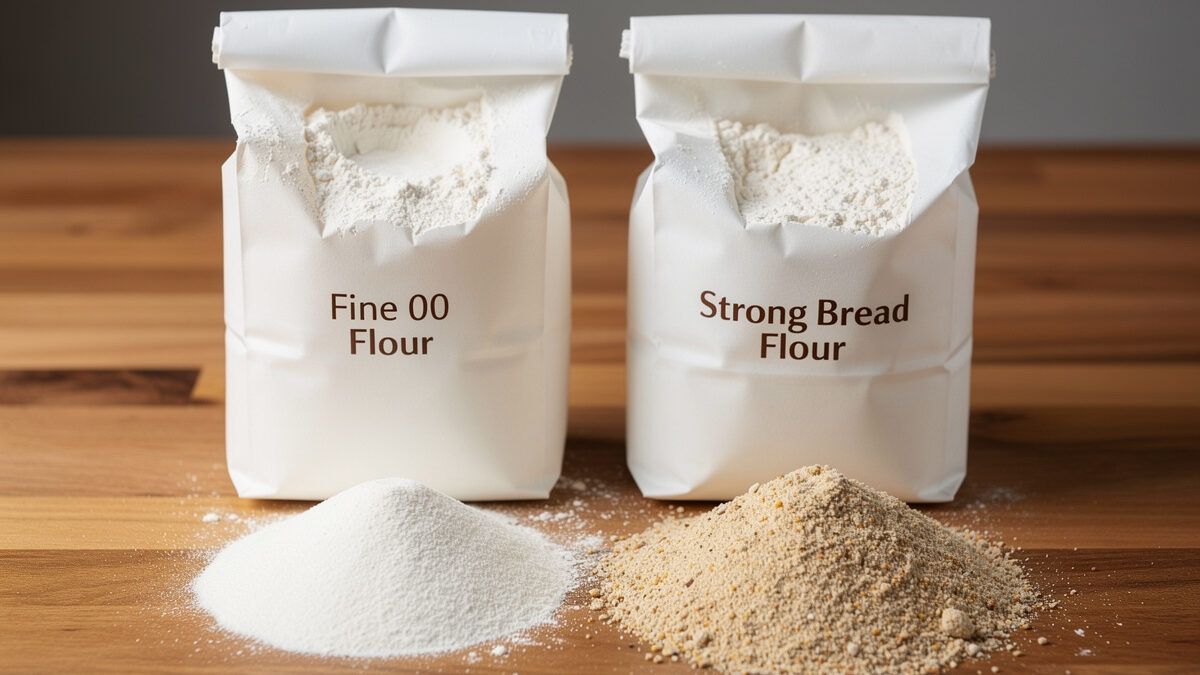
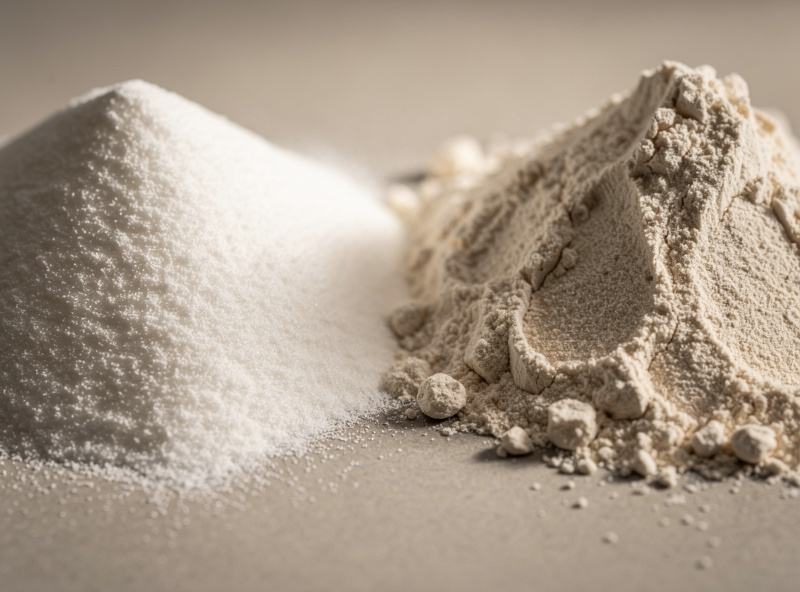
“00” (doppio zero) is an Italian milling grade that describes the fineness of the grind — 00 is the finest, talcum-soft texture, with 0, 1, and 2 being progressively coarser. It says nothing about protein content. You can buy a low-protein 00 for delicate pastries and a high-protein 00 milled specifically for long-fermented pizza, and they behave completely differently despite sharing the grade.
This is the spec people get wrong most, so it’s worth nailing down. The Italian system grades flour by how much of the bran and germ is sifted out, which corresponds to fineness: 00 is the most refined and silky, 2 is the coarsest and most whole-grain-like. Protein is a separate axis entirely, set by the wheat variety, not the grind. So “00 flour” tells you the texture is fine and the dough will feel smooth and silky, but you still have to read the protein percentage on the back to know whether it’ll build a strong dough or a weak one. A fine grind does help a dough feel extensible and tender, which is why 00 is associated with Neapolitan pizza — but the magic is the grind and the right protein together, not the “00” alone.
Protein and W-Strength: The Numbers That Matter
Protein content (and the related W-strength rating) determines how much gluten a flour can build, which controls dough strength, how much water it absorbs, and how long a fermentation it can survive. Higher protein means stronger gluten, more chew, more structure, and the ability to handle a multi-day cold ferment without breaking down.
Here’s how to read it. A typical strong bread flour runs about 12.5–13.5% protein; a Neapolitan-style 00 might sit around 11–12.5%; cake and pastry flours drop to 8–10%. The higher the protein, the more robust the gluten network, the more water the flour drinks, and the longer it holds up under fermentation. W-strength is the Italian rating for the same idea — a W260–320 flour is strong enough for a long ferment, while a low-W flour wants a quick rise. The practical upshot: if you’re doing a 48-hour cold ferment, you need a flour strong enough to survive it, or the gluten will degrade into a slack, tearing mess by baking day. That’s where weak flour fails and strong flour earns its keep. If you’re planning long ferments, read the cold ferment guide alongside this.
When Bread Flour Wins
Strong bread flour is the better choice for home ovens and longer ferments because its higher protein builds a chewier, more structured crust that browns well at lower temperatures and holds up to a multi-day cold ferment. For New York-style pizza baked in a domestic oven, bread flour is what you want.
I reach for bread flour whenever I’m baking on the steel in my kitchen oven, which tops out around 280°C. At those lower temperatures you need a flour that browns and develops chew without the blast-furnace heat a Neapolitan setup provides, and the extra protein in bread flour delivers exactly that — a substantial, foldable, structured crust. It also drinks more water, so I can run a slightly higher hydration without the dough going slack. For most people reading this — home oven, occasional pizza nights, wanting a reliable result — a good strong bread flour is genuinely the smarter buy than imported 00. A solid high-protein bread flour covers the great majority of home pizza situations.
When 00 Flour Wins
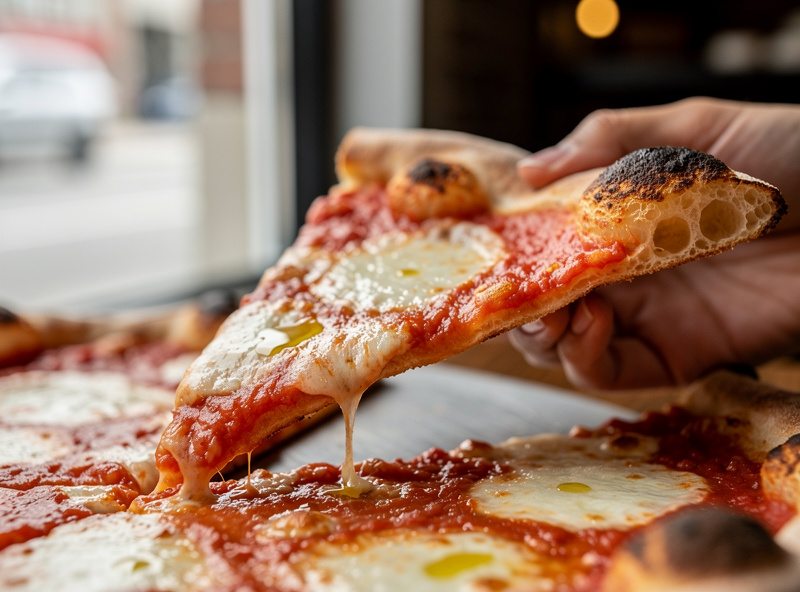
Fine 00 flour shines in very hot ovens (400°C+) where its silky, extensible dough produces the tender, soft, slightly chewy Neapolitan crust that defines that style. At those temperatures the fast bake suits 00’s character, and the fine grind gives the soft, pillowy cornicione you can’t quite get from coarser flour.
On my indoor electric deck running 450°C, a good strong 00 (the high-protein kind made for pizza) is what I reach for. The fine grind hydrates smoothly and stretches like a dream, and the fierce, fast heat gives that signature leoparded, tender-yet-chewy Neapolitan bite. The key word is strong 00 — a low-protein 00 won’t survive a long ferment, so for Neapolitan I want one rated for it (look for higher protein or a W rating around 280–320). If you’ve got a high-heat oven and you’re chasing authentic Neapolitan, 00 is worth it. If you’re in a standard home oven, the advantage mostly evaporates because you can’t bake hot enough to play to its strengths. Either way, the hydration you run should match both flour and oven, which the hydration guide covers.
00 Flour vs Bread Flour: Head to Head
Here’s the comparison the way I’d lay it out for someone standing in the flour aisle deciding which bag to grab. Remember that protein varies within each category, so always check the actual number on the bag.
| Factor | 00 Flour (pizza grade) | Strong Bread Flour |
|---|---|---|
| What it describes | Fine grind (texture) | High protein (strength) |
| Typical protein | 11–12.5% | 12.5–13.5% |
| Texture / feel | Silky, very extensible | Slightly coarser, strong |
| Best oven | Very hot (400°C+) | Home oven (230–290°C) |
| Crust character | Tender, soft, Neapolitan | Chewy, structured, NY-style |
| Browning at low heat | Weaker | Better |
| Best for beginners | If oven is very hot | Yes — forgiving, widely available |
Can You Blend Them?
Yes — blending 00 and bread flour is a legitimate and common trick to land between the two characters, giving you some of the silky extensibility of 00 with the added strength and browning of bread flour. A 50/50 blend is a popular middle ground for home ovens that run hotter than standard but below true Neapolitan temperatures.
I do this regularly when baking in my portable gas oven, which sits in that awkward middle zone around 400°C — hot, but I still want a bit more browning and structure than pure 00 gives. A blend lets me tune the dough’s character to the heat I actually have, rather than forcing a single flour to do a job it’s not suited to. There’s no sacred ratio; start at 50/50 and shift toward whichever flour gives you the result you want. This is exactly the kind of single-variable experiment worth logging — change the blend, keep everything else constant, and note what the crust did.
The Practical Bottom Line
For the great majority of home bakers, a strong bread flour will make better pizza than imported 00, because most home ovens can’t reach the temperatures where 00 shines. Buy 00 when you have a very hot oven and want authentic Neapolitan; buy strong bread flour for everything else. One technique that helps close the temperature gap in a standard oven is the broiler finish — the broiler method guide covers how to use the top element to create charring and leopard spotting without a specialist oven.
I want to be clear because the marketing pushes people the wrong way: spending extra on premium imported 00 and then baking it in a 250°C oven on a same-day dough will give you a worse result than a supermarket bread flour given a proper cold ferment. The flour is a smaller lever than fermentation time and oven heat. Get those two right first, pick the flour that matches your oven, and only then start chasing specialty bags. Time and heat make the pizza; flour just sets the ceiling.
Frequently Asked Questions
Is 00 flour the same as high-protein flour?
No. 00 describes the fineness of the grind, not the protein content. You can buy low-protein 00 for pastry and high-protein 00 for pizza. Always check the protein percentage on the bag, because that is what determines dough strength, not the 00 grade.
Can I use bread flour instead of 00 for pizza?
Yes, and for a home oven it is usually the better choice. Strong bread flour around 13% protein browns well at lower temperatures and makes a chewy, structured crust. 00 mainly shines in very hot ovens above 400C where its tender character suits the fast bake.
What protein content is best for pizza dough?
For most home pizza, a flour around 12.5 to 13.5% protein gives strong gluten, good chew, and enough strength to survive a long cold ferment. Neapolitan-style 00 runs slightly lower at 11 to 12.5%, which suits very hot, fast bakes.
Why does my 00 flour dough fall apart after a long ferment?
You likely used a low-protein 00 that is not strong enough for a multi-day ferment, so the gluten broke down. For long cold ferments, choose a strong 00 rated W280 to 320 or a high-protein bread flour that can hold up over 48 hours.
Can I mix 00 and bread flour together?
Yes. Blending the two is a common way to land between silky extensibility and added strength and browning. A 50/50 blend works well for ovens that run hotter than standard but below true Neapolitan heat. Adjust the ratio toward the character you prefer.
As an Amazon Associate I earn from qualifying purchases. The flour I link is the type I’d reach for; buying through these links supports the site at no extra cost to you.
Related Guides
- How to Make Pizza Dough: The Complete Guide — where flour fits in the whole process.
- Pizza Dough Hydration Explained — stronger flour raises your hydration ceiling.
- Cold Ferment Pizza Dough — why long ferments need strong flour.
More from This Cluster
- “Same-Day vs Overnight Pizza Dough: Which to Make”
- “Pizza Dough Balls: Storage
- “Pizza Dough Too Sticky? Fix It Without Adding Flour”
- “Poolish Pizza Dough: The Preferment Method”
- “Cold Ferment Pizza Dough: The 48-Hour Method”
- “Pizza Dough Hydration Explained (and How to Pick Yours)”
- “How to Make Pizza Dough: The Complete Guide”

About Kenny Nyhus Fadil
A home pizza maker documenting deck temps, dough logs, and the occasional wrecked launch.