Caputo Flour Guide for Home Bakers

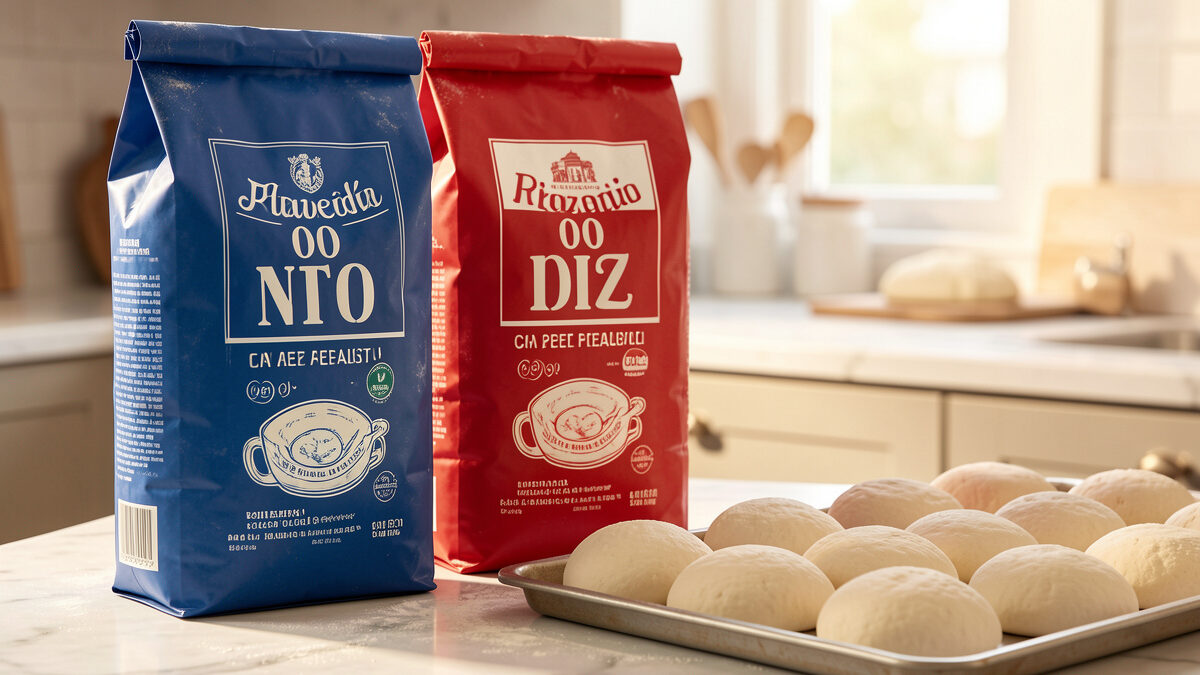
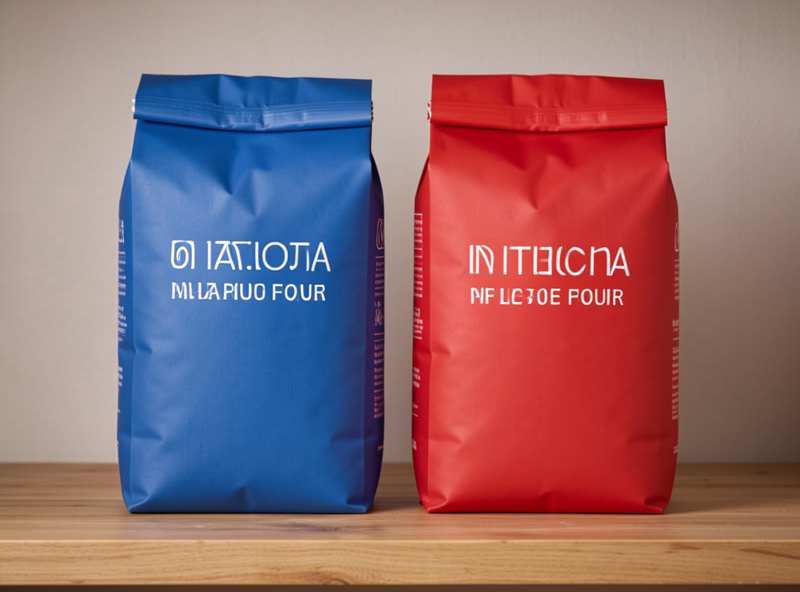
For most home pizza makers the right Caputo flour is the blue-bag Pizzeria for an everyday Neapolitan dough, or the red Cuoco/Chef line when you cold-ferment two or three days. Caputo is not one flour but a range, each milled for a different bake and ferment, so “buy Caputo” only helps once you pick the bag that matches your oven and schedule. The wrong Caputo in the wrong setup still disappoints.
Caputo earned its reputation honestly — consistent milling batch to batch and a product line built around real differences in strength, which is exactly why it became the default reference for home Neapolitan baking. But the brand’s range confuses people: the blue and red bags are not “good and better,” they are built for different jobs. I have run several of them against my standard dough across gas, dual-fuel, and the indoor electric, and the differences are real but specific. This guide sorts which Caputo flour fits which baker, and — just as important — when a good local flour does the same job. For the broader picture of how strength and milling map to your oven, start with the flour selection guide.
Why Caputo became the reference flour
Two things made Caputo the home-baker default. First, consistency: a large miller with tight quality control means the bag you buy this month behaves like the one you bought last month, which matters enormously when you are trying to learn a dough by feel. A flour that drifts batch to batch makes it impossible to tell whether a change came from you or the bag. Second, the range is genuinely differentiated for pizza — flours milled and blended specifically for Neapolitan, for long fermentation, for puffier crusts, and for American styles, rather than one generic “pizza flour.”
That said, Caputo is not magic and not the only good flour. Plenty of strong local bread flours and other Italian 00 brands make excellent pizza. What Caputo buys you is predictability and a clear menu of strengths, which shortens the learning curve. If you are still dialing in your dough, that consistency is worth more than chasing the last few percent of performance from an exotic bag.
The main Caputo flours, sorted by job
Here is the practical menu. I have grouped the flours most home bakers actually encounter and matched each to the bake it is built for — Caputo’s own milling range lists more lines than this, but these are the bags you will actually see on a shelf. Strengths below are described in relative terms — softer to stronger — because the exact figures vary by region and the most reliable guide is always the leavening time printed on the bag you buy.
| Caputo flour | Relative strength | Built for | Best match |
|---|---|---|---|
| Pizzeria (blue) | Medium-strong | Classic Neapolitan, up to ~24 h | Everyday home Neapolitan, hot oven |
| Cuoco / Chef (red) | Strong | Long fermentation, hot pro bakes | 48–72 h cold ferment, dual-fuel/electric |
| Nuvola | Medium-strong | Lighter, puffier, airier rim | Bakers chasing a tall, cloud-like cornicione |
| Saccorosso (red sack) | Very strong | Very long ferments, high hydration | 72 h+ dough, blending to boost strength |
| Americana | Strong | New York and American styles | Larger, foldable, longer-baked pies |
The two you will reach for most are Pizzeria and Cuoco. Pizzeria (blue) is the everyday Neapolitan workhorse — medium-strong, built for the classic same-day-to-overnight dough that bakes in a flash. Cuoco/Chef (red) is stronger, made to survive the longer cold ferments that develop deeper flavor and to hold up in hot professional ovens running back-to-back. If you only ever buy one, buy the one that matches how you actually ferment, which the high-protein flour guide explains in terms of ferment time.
Which Caputo flour should you buy?
Match the bag to two things: how long you ferment and how hot you bake. If you make a same-day or overnight dough and bake in a hot oven — a portable gas, a dome, or an indoor electric pushing 400°C+ — the blue Pizzeria bag is the natural choice and gives a tender, classic Neapolitan rim. If you have caught the cold-ferment habit and routinely rest your dough 48 to 72 hours for that complex, faintly sour flavor, step up to the red Cuoco bag so the gluten survives the long wait. That single distinction settles most purchases.
The specialty bags are for specific goals. Reach for Nuvola if your obsession is a taller, puffier, more cloud-like rim and you are willing to adjust handling for it. Reach for Saccorosso if you push past 72 hours or run very high hydration, or want a strong flour to blend into a softer one. Reach for Americana only if you are deliberately making New York-style pies that fold and bake longer. For a first-timer in a hot oven, though, I would not overthink it: blue Pizzeria, a sensible hydration, and time in the fridge will teach you more than any specialty bag.
How to use Caputo flour well
Buying the right bag is half the job; handling it is the other half. Caputo 00 flours are finely milled, so they hydrate quickly and can feel deceptively dry at first — give the dough a rest and it loosens. Because the Neapolitan flours are built for very high heat, they perform best in an oven that genuinely gets hot; in a cool home oven a blue Pizzeria bag will underperform a strong local bread flour, which is the single most common Caputo disappointment. If your oven tops out around 280°C, do not assume imported 00 will fix it — read the 00 vs bread flour comparison first.
Respect the leavening guidance on the bag as your strength signal. A flour Caputo positions for long fermentation is telling you it has the structure for a multi-day ferment; using it for a quick same-day dough wastes that strength and can bake a touch chewy. Conversely, pushing a medium bag to 72 hours risks a slack, sticky dough. As an Amazon Associate I earn from qualifying purchases. If your local shops do not stock it, a search for Caputo 00 pizza flour brings up the blue and red bags; match the one you order to your ferment plan, not to whichever is cheapest.
When a local flour does the same job
Here is the honest part most brand guides skip. Caputo is excellent, but it is not required for good pizza, and in some setups it is not even the best choice. If you bake in a standard home oven on steel at 250–290°C with a five-to-eight-minute bake, a strong local bread flour at 12.5–13.5% protein will often give you a better rim than an imported Neapolitan 00, because the bread flour is built for exactly that longer, cooler bake. Paying import prices for 00 to use it in the wrong oven is the classic beginner mistake.
Caputo earns its keep when you have the heat to use it: a hot oven plus a long ferment is where a good Neapolitan 00 truly shines and a generic flour falls short. So the decision is not “Caputo or not” in the abstract — it is whether your oven and schedule are the ones Caputo was milled for. Match those and it is a genuinely great flour; mismatch them and your money is better spent on a strong local bag and a hotter baking surface. The Neapolitan technique guide covers getting that heat right.
How Caputo behaves across my four ovens
Running the same Caputo dough across my oven classes makes the heat-matching point concrete. In the portable gas oven, blue Pizzeria at a same-day or overnight ferment is the sweet spot — fast spring, a tender leoparded rim, exactly what the flour is built for. On the dual-fuel dome, where the heavier mass holds heat through a long evening, I lean toward the red Cuoco bag on a 48-hour ferment so the dough survives sitting between back-to-back launches without going gummy.
The indoor electric, my winter reference at 450°C on a biscotto stone, is the most forgiving of the three: its steady heat lets even a medium blue bag shine, and it is where I notice the smallest difference between the flours. The home-oven steel is the honest outlier — there, a strong local bread flour usually beats either Caputo bag, because the five-to-seven-minute bake at a lower temperature rewards bread-flour structure over Neapolitan tenderness. That spread across one brand and four ovens is the whole lesson: Caputo is a heat-matched flour, brilliant when the oven gives it what it was milled for.
Frequently Asked Questions
What is the difference between Caputo blue and red flour?
Caputo Pizzeria (blue) is a medium-strong 00 built for classic Neapolitan dough fermented up to about 24 hours. Caputo Cuoco or Chef (red) is stronger, made to survive 48-72 hour cold ferments and hot professional ovens. Choose blue for short ferments, red for long ones.
Which Caputo flour is best for home Neapolitan pizza?
For an everyday same-day or overnight dough baked in a hot oven, the blue Pizzeria bag is the natural choice and gives a tender classic rim. If you routinely cold-ferment 48-72 hours for deeper flavor, step up to the red Cuoco bag so the gluten holds through the long wait.
Is Caputo flour worth it for a home oven?
Only if your oven gets genuinely hot. Caputo’s Neapolitan 00 flours are milled for 400C-plus bakes. In a standard home oven topping out near 280C, a strong local bread flour at 12.5-13.5% protein often gives a better rim than imported 00, and costs far less.
What is Caputo Nuvola flour for?
Nuvola is milled for a lighter, puffier, more cloud-like rim, which is what its name suggests. It suits bakers specifically chasing a tall, airy cornicione who are willing to adjust handling for it. For a standard classic Neapolitan rim, the blue Pizzeria bag is the simpler choice.
Can I use Caputo flour for a 72-hour cold ferment?
Yes, with a strong enough bag. The red Cuoco line handles long ferments well, and Saccorosso is built for very long fermentation and high hydration. Avoid pushing a medium bag like blue Pizzeria to 72 hours, as it can go slack and sticky before the dough is ready.
Do I need Caputo flour to make good pizza?
No. Caputo offers consistency and a clear menu of strengths that shorten the learning curve, but many strong local bread flours and other Italian 00 brands make excellent pizza. Match flour strength to your ferment and your oven heat, and the brand name matters far less.
Related Guides
- Best Flour for Pizza: The Complete Guide
- High-Protein Flour for Neapolitan Pizza
- 00 Flour vs Bread Flour for Pizza
- Neapolitan Pizza at Home: The Complete Technique
- Cold Ferment Pizza Dough: The 48-Hour Method

About Kenny Nyhus Fadil
A home pizza maker documenting deck temps, dough logs, and the occasional wrecked launch.