What Size Pizza Oven Should You Actually Buy?

Buy the pizza oven sized to the pizza you actually make, not the biggest one on the shelf. For most home bakers making 11-13 inch pizzas, a 16-inch chamber is the sweet spot — it fits a proper pie plus a turning peel without wasting fuel. A 12-inch oven heats faster and burns less gas but limits you to personal-size pizzas, while anything larger mostly adds heat-up time you will not use.
Size is the spec people regret in both directions, because the number on the box is not the whole story — chamber depth and door width decide how a pizza actually launches and turns. After years of running a 16-inch as my reference, here is how to size an oven to your real bakes rather than to a fantasy of catering parties you will never throw.
As an Amazon Associate I earn from qualifying purchases.
What Size Pizza Oven Should You Buy?
For most home bakers, a 16-inch pizza oven is the right size: it comfortably bakes an 11-13 inch pizza with room to slide a turning peel alongside. Choose a 12-inch oven only if you make personal-size pizzas and prioritize the fastest heat-up and lowest fuel use. Larger commercial-style ovens rarely make sense for home use.
The 16-inch chamber is the sweet spot for a simple reason: it gives you headroom. A 13-inch Neapolitan needs space to launch without folding the edge against the oven wall, and you need room to get a turning peel in beside it to rotate mid-bake. A 12-inch oven can technically bake a 10-11 inch pizza, but it is cramped, turning is awkward, and a slightly oversized launch sticks to the wall. Going bigger than 16 inches mostly buys you a longer heat soak and more fuel burned to bring up stone you never cover. Match the chamber to your pizza, leave a little room for the peel, and stop there. The class-by-class breakdown is in the pizza oven buying guide.
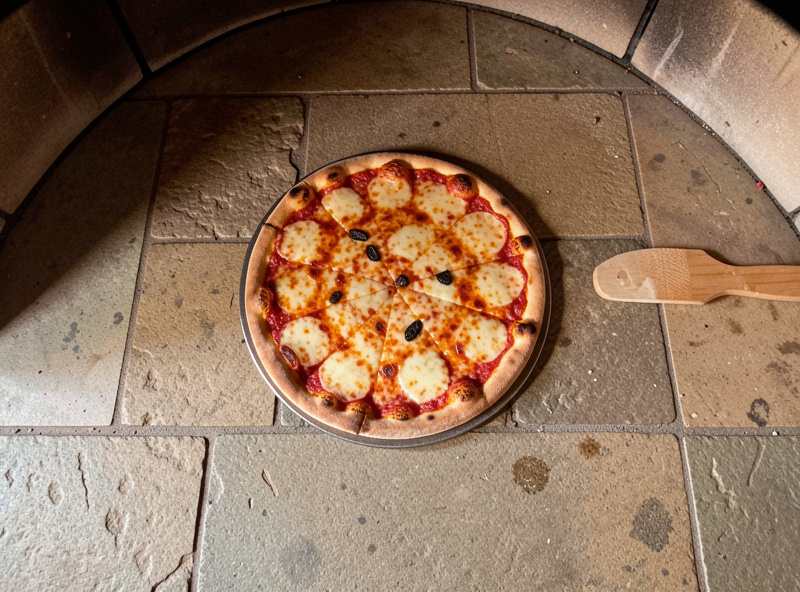
12-Inch vs 16-Inch Pizza Oven: Which to Choose
A 12-inch oven heats faster (often under 15 minutes), uses less fuel, and is lighter and more portable, but limits you to personal pizzas and is cramped to turn. A 16-inch oven heat-soaks in around 20 minutes and fits a full 13-inch pizza with turning room, at the cost of more fuel and weight. For most people the 16-inch wins on versatility.
I run a 16-inch as my reference precisely because of that versatility. The faster heat-up of a 12-inch is genuinely nice if you bake solo and want pizza quickly, and the lower fuel use adds up over a season — but the moment you want to feed two or three people a proper-size pizza, the 12-inch fights you. Launching a 13-inch pie into a 12-inch chamber is a recipe for a stuck, folded edge, and there is simply no room to maneuver a turning peel. The 16-inch costs a little more in gas and heat-up time, but it does everything the 12-inch does and more. If portability is your top priority — you carry the oven to friends’ places — the 12-inch case strengthens; otherwise the 16-inch is the safer buy.
Does Chamber Depth and Door Width Matter More Than Size?
Yes — the nominal “inch” rating hides what actually matters: chamber depth front-to-back and the width of the mouth. A 16-inch oven with a cramped, shallow mouth is harder to launch into than the number suggests, while a well-proportioned chamber with a wide door makes launching and turning easy regardless of the headline size.
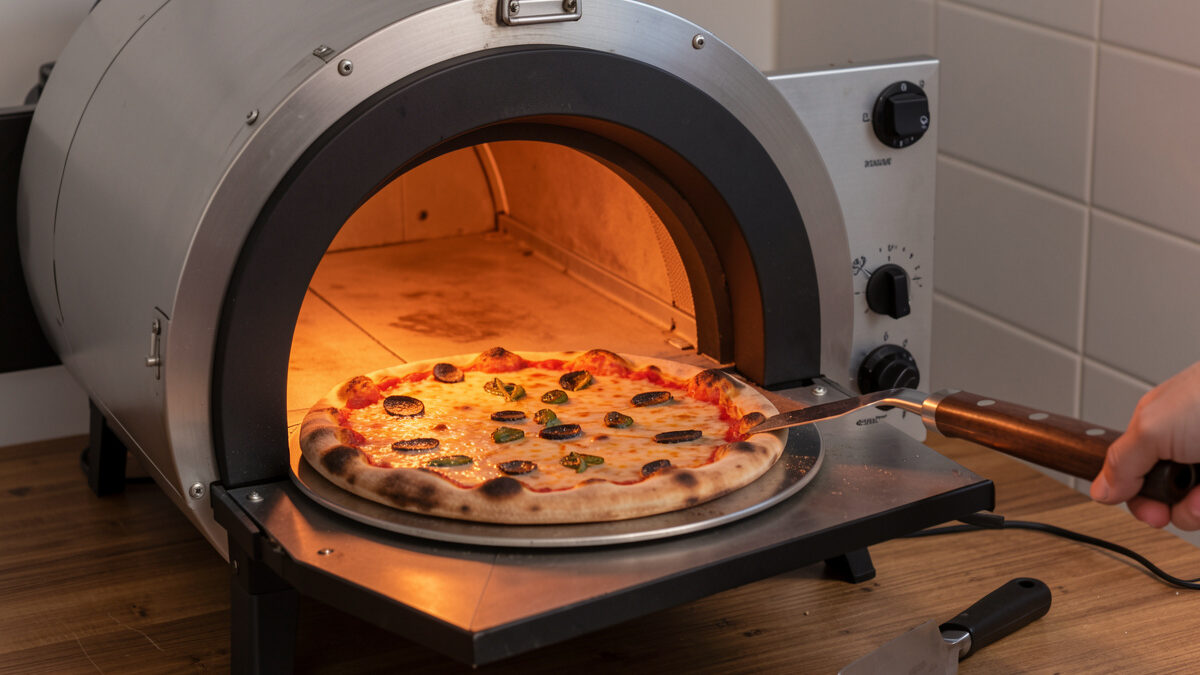
This is the spec that catches people who buy on the number alone. Two ovens both called “16 inch” can launch completely differently if one has a low, shallow opening and the other a generous mouth. Depth matters because you need to slide the pizza fully onto the stone and still reach in to turn it; a shallow chamber forces awkward angles. Door height matters because a tall cornicione can catch a low opening on the way in. When I judge an oven’s usability, I look at how the mouth and depth feel with a peel in hand, not just the marketing dimension. A good turning peel sized to the chamber matters as much as the oven dimension itself — the right tools for the launch are covered alongside the dough work that sets you up to succeed.
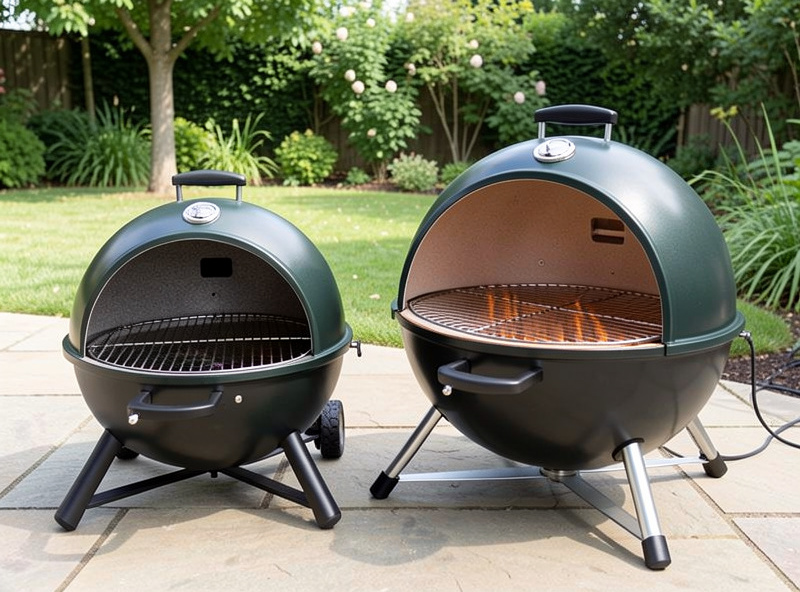
Does Oven Size Affect Fuel Use and Heat-Up Time?
Yes, directly. A larger chamber has more stone and more air to bring up to temperature, so a 16-inch oven typically heat-soaks in about 20 minutes versus under 15 for a 12-inch, and burns proportionally more propane to hold temperature through a session. If you bake often and solo, that running-cost difference adds up over a season.
I think of it as the cost of headroom. The extra fuel and time a 16-inch demands is the price you pay for being able to bake a full-size pizza with turning room — and for most people who bake for family, that headroom is worth it. But if you are a solo baker firing the oven several times a week, the faster, cheaper-to-run 12-inch genuinely earns its keep, and you rarely miss the extra width. The honest framing is: bigger ovens cost more to run for capability you only use when feeding several people. Size to your typical session, not your largest imaginable one. And remember that no oven size fixes a slow, weak heat soak — a thin-deck oven of any size recovers poorly, which matters more than the floor dimension once you are baking back-to-back pizzas.
Can a Pizza Oven Be Too Big for Home Use?
Yes. An oversized oven wastes fuel heating stone you never cover, takes longer to reach temperature, and is heavier and harder to store. Commercial-style ovens built for back-to-back volume are overkill for a home baker making a handful of pizzas, where a 16-inch portable or a quality electric does everything you need.
The “too big” trap usually comes from imagining a future use case that never arrives — the big garden party, the constant catering. In reality most home bakers make four to eight pizzas in a session for family and friends, and a 16-inch oven handles that comfortably with sensible recovery pauses. A huge oven means a long heat soak every single time, more fuel for every bake, and a heavy unit that is awkward to move or store between uses. I would rather have a right-sized oven I fire easily and often than an oversized one that becomes a chore to light. If you genuinely need volume, that is a different category and a different decision; for home baking, resist the urge to over-buy on size the same way you should resist over-buying on peak temperature.
How Big a Pizza Oven Do You Need for Your Style?
Size to your pizza style: Neapolitan and New York rounds at 12-13 inches fit a 16-inch oven perfectly, while personal 10-inch pizzas suit a 12-inch oven. If you bake pan styles like Detroit or Sicilian, chamber height for the pan matters more than width, so check the internal clearance, not just the floor size.
Different styles ask different things of an oven. Round Neapolitan and NY pizzas are about floor width and turning room, where the 16-inch shines. Pan styles change the question entirely — a Detroit or grandma pan needs vertical clearance and even all-around heat more than a wide floor, so a deck-style oven or a home oven can suit them better than a low-mouthed portable. If you bake a mix, the 16-inch round-focused oven covers the rounds well and you can do pan styles in your kitchen oven on a baking steel. Decide which style you make most, size for that, and accept that no single oven is perfect for every style — which is exactly why I keep a steel in the kitchen alongside the dedicated ovens.
One more practical note on sizing for style: New York pizza often runs larger than Neapolitan, and a true 16-18 inch NY pie simply will not fit a portable oven at all — that is a home-oven-on-a-steel job by necessity. Neapolitan, by contrast, is traditionally a personal-sized pizza around 11-12 inches, which fits even compact ovens well. So if your dream is big foldable NY slices, do not buy a portable oven expecting it to deliver them; if your dream is leoparded Neapolitan, almost any well-built 16-inch oven will get you there. Knowing the actual diameter of the style you love is the missing step most size questions skip, and it resolves the decision faster than any spec comparison.
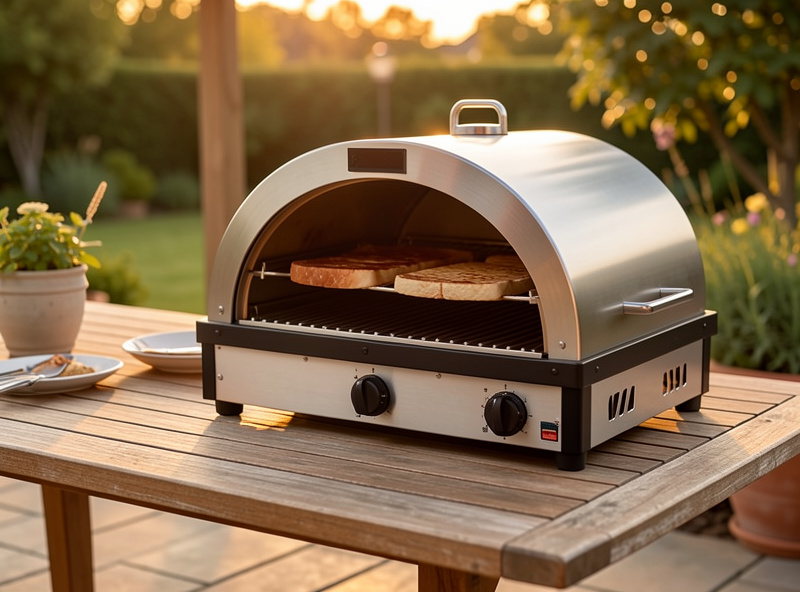
What Size Pizza Oven Do I Recommend?
If I had to give one answer for a first oven, it is a 16-inch portable: it bakes a proper Neapolitan or NY-ish round with turning room, heat-soaks in about 20 minutes, and does not over-commit you on fuel or storage. It is the size that fits the most bakers and the most styles without paying for capacity you will not use.
That recommendation holds for the great majority of home bakers, but tailor it honestly to yourself. Solo baker who values speed and portability above feeding a crowd? The 12-inch is a legitimate, lower-running-cost choice. Baking year-round in a cold climate? Look at a quality indoor electric in a comparable deck size rather than fighting the weather outdoors. Whatever size you land on, put the same care into your dough as into the dimension — a perfectly sized oven cannot rescue an under-fermented base, and a 16-inch oven full of great dough beats any size full of bad dough.
Related Guides
- How to Choose a Pizza Oven: The Complete Buying Guide
- Ooni Koda 16: A Long-Term Review
- Is an Indoor Electric Pizza Oven Worth It?
- Used Pizza Oven Checklist: What to Inspect
- How to Make Pizza Dough: The Complete Guide

About Kenny Nyhus Fadil
A home pizza maker documenting deck temps, dough logs, and the occasional wrecked launch.