Gas vs Wood Pizza Oven: The Honest Difference

The honest difference between gas and wood pizza ovens is smaller than the marketing claims: at a 90-second Neapolitan bake, you will not taste meaningful wood smoke in the crumb. Wood gives you ritual, a live flame to manage, and a slightly different radiant character on the cornicione. Gas gives you a steady, readable stone temperature and zero fire-tending. For flavor, your dough matters a hundred times more than your fuel.
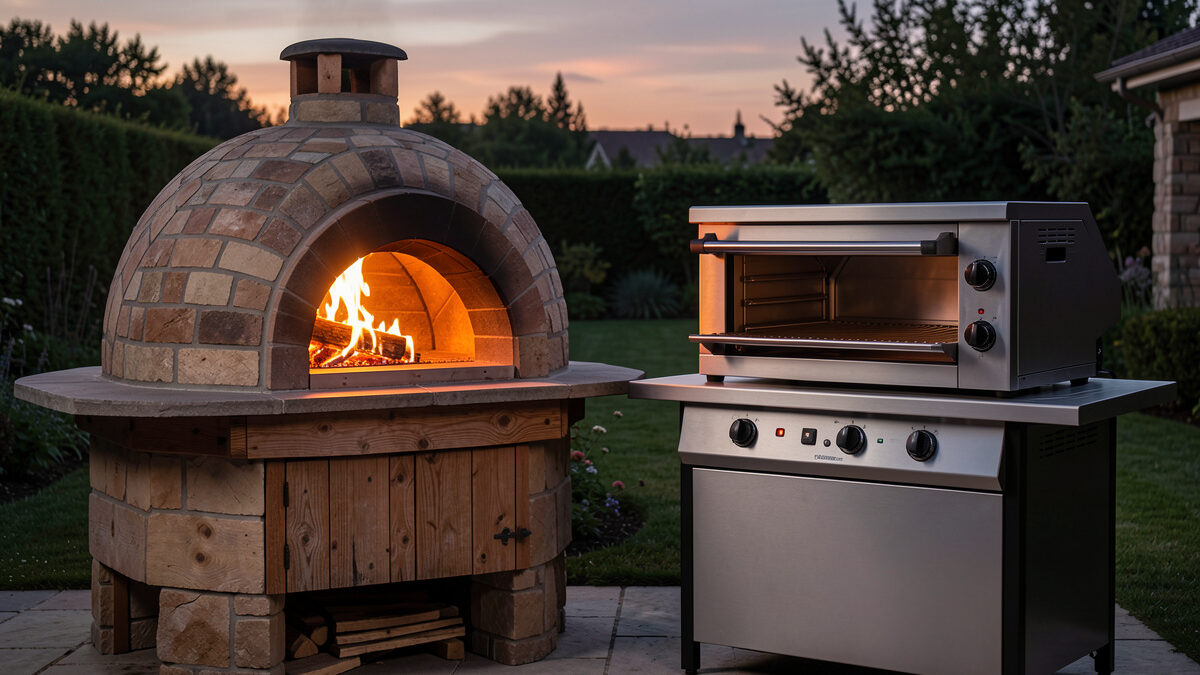
I have baked the same dough batch in a gas oven and a wood-fired dome on the same evening, back to back, specifically to settle this for myself. Same hydration, same ferment, same stone-temperature target read off the IR gun — the only variable changed was the fuel. The results were not what the wood-fired romance promises. Here is what actually separates the two, and how to choose.
As an Amazon Associate I earn from qualifying purchases.
Does Wood Actually Make Pizza Taste Different?
At true Neapolitan bake times of 60-90 seconds, wood does not meaningfully flavor the pizza. The bake is too short for smoke compounds to penetrate the dough, and a clean-burning fire produces little smoke anyway. In blind same-dough bakes, the crumb tastes of the ferment, not the fuel — the difference people swear they taste is mostly the experience around it.
This is the claim that gets me the most pushback, so let me be precise about it. A wood fire burning cleanly at 450°C makes very little smoke — visible smoke means an inefficient, smoldering fire, which is a fault, not a feature. At 90 seconds the crust simply is not in contact with combustion gases long enough to absorb a smoke character the way a low-and-slow barbecue does over hours. What does change subtly is the radiant heat: a live flame licking over the dome can give the cornicione a slightly different leoparding pattern. But flavor? Your cold-ferment schedule and flour choice dwarf it. I would rather bake great dough on gas than mediocre dough over wood, every time.
Gas vs Wood: Heat Control and Consistency
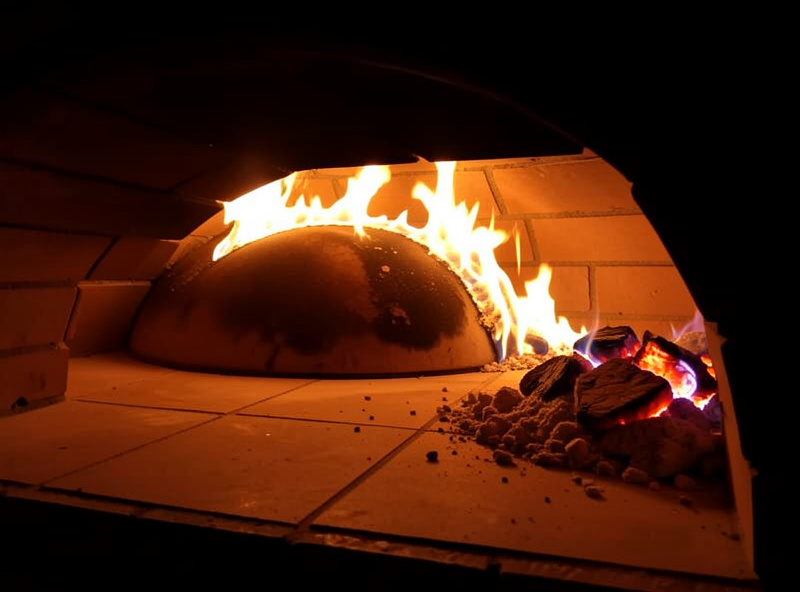
Gas wins decisively on consistency. A gas burner gives you a steady, repeatable stone temperature you set with a dial and verify with an IR gun, while wood requires active fire management to hold a target. For repeatable results across a session, gas is simply easier to control than a fire you have to feed and rake.
With gas, my workflow is boring in the best way: dial to full, heat-soak, check the stone, launch, turn. The temperature curve is predictable, so pizza eight is as good as pizza one as long as I respect recovery time. With wood, the temperature is a living thing — you build the fire, let it burn down to the right bed, push it to the side, and then constantly manage it as it rises and falls. That is genuinely satisfying if you enjoy fire, and genuinely annoying if you just want dinner. Neither is wrong; they are different hobbies wearing the same shape. The pizza oven buying guide breaks down which temperament each suits.
The Real Trade-offs: Convenience, Cost, and Ritual
Gas trades away the live-fire ritual for speed and ease: 20-minute heat-up, no wood to source or store, no ash to clean. Wood trades convenience for the experience of tending a fire and a marginally different radiant bake. Dual-fuel ovens try to offer both, but you pay in size, weight, and price for the option you may rarely use.
Think honestly about the chores, because they decide whether the oven gets used. Wood means sourcing kiln-dried hardwood, storing it dry, building and managing a fire for 45 minutes before the first pizza, and cleaning ash afterward. Gas means connecting a propane tank. After a long week, that difference is the whole ballgame. I have watched plenty of beautiful wood-fired ovens become expensive garden sculptures because the owner never had the energy for the ritual on a weeknight. If you love fire, that ritual is the point and you will use it. If you do not, buy gas and put the saved effort into your dough.
Gas vs Wood Pizza Oven Compared
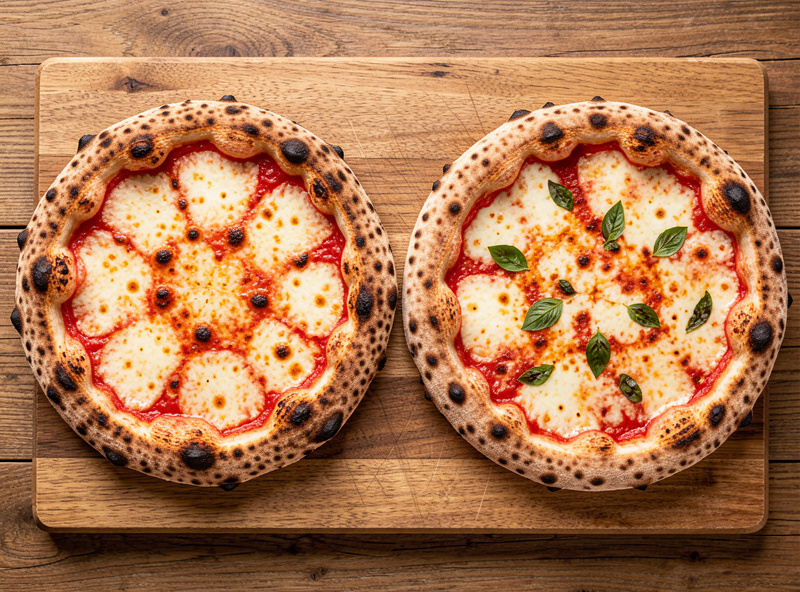
Here is the head-to-head on the things that actually decide your bakes, from the same-dough sessions I run. Note that the only row where wood clearly wins is the one that is hardest to put a number on — the experience.
| Factor | Gas oven | Wood-fired oven |
|---|---|---|
| Time to first pizza | ~20 min heat soak | ~45 min fire build + burn down |
| Temperature control | Steady, dial + IR gun | Active fire management |
| Flavor at 90s bake | Tastes of the ferment | Same; no meaningful smoke |
| Effort and cleanup | Connect propane; no ash | Source wood; rake ash |
| Experience / ritual | Minimal | The whole appeal |
Which Should You Buy: Gas, Wood, or Dual-Fuel?
Buy gas if you want reliable pizza with minimal effort — that covers most home bakers. Buy wood only if the fire itself is part of the appeal for you. Buy dual-fuel if you genuinely want both and can justify the extra size and cost; just be honest that most dual-fuel owners run gas 90% of the time.
My recommendation order is simple. Start with gas, like the Ooni Koda 16 I have run for years, because it makes your dough the limiting factor instead of your fire skills. If after a season you find yourself wishing you could play with flame, a dual-fuel dome is a reasonable upgrade — you keep gas for weeknights and light wood when you have the time. What I would not do is buy wood-only as a first oven chasing a flavor difference that the 90-second bake will not deliver. Spend that enthusiasm on hydration and ferment, where it actually shows up on the plate. A good infrared thermometer will teach you more about either oven than another fuel debate ever will.
Frequently Asked Questions
Does a wood-fired oven make pizza taste better than gas?
Not meaningfully at Neapolitan bake times. A 60 to 90 second bake is too short for wood smoke to penetrate the crust, and a clean fire makes little smoke. In same-dough tests the crumb tastes of the ferment, not the fuel. Dough matters far more than fuel.
Is a gas pizza oven as good as wood-fired?
For results, yes, and for consistency it is better. Gas holds a steady stone temperature you set with a dial and read with an IR gun. Wood needs constant fire management. Most home bakers get more reliable pizza from gas.
Why do wood-fired ovens have a reputation for better flavor?
Mostly the experience and tradition around them, plus a subtly different radiant heat on the crust. The flavor of the pizza itself comes from fermentation, flour, and stone temperature, not the fuel, once the bake is under two minutes.
Are dual-fuel pizza ovens worth it?
Only if you genuinely want to use both fuels. Most dual-fuel owners run gas the vast majority of the time and light wood occasionally. You pay extra in size, weight, and price for an option you may rarely use, so be honest about your habits.
How much wood do you need to fire a pizza oven?
You build a fire for roughly 45 minutes before the first pizza, then feed it through the session, using kiln-dried hardwood stored dry. Visible smoke means a smoldering, inefficient fire, which is a fault to fix, not a flavor to chase.
Related Guides
- How to Choose a Pizza Oven: The Complete Buying Guide
- Ooni Koda 16: A Long-Term Review
- How to Make Pizza Dough: The Complete Guide
- Cold Ferment Pizza Dough: The 48-Hour Method
More from This Cluster
- “What Size Pizza Oven Should You Actually Buy?”
- “Used Pizza Oven Checklist: What to Inspect”
- “Pizza Oven for Cold Climate: The Nordic Reality”
- “Is an Indoor Electric Pizza Oven Worth It?”
- “Ooni Koda 16 Review: A Long-Term Verdict”
- “How to Choose a Pizza Oven: The Complete Buying Guide”

About Kenny Nyhus Fadil
A home pizza maker documenting deck temps, dough logs, and the occasional wrecked launch.