Used Pizza Oven Checklist: What to Inspect

A used pizza oven is a smart buy if you inspect three things before paying: the stone for cracks and spalling, the burner jet for clogs and corrosion, and the body for rust at the seams. A clean used portable gas oven at half price is one of the best entries into the hobby — and none of the common faults are dealbreakers once you know to look for them.
I inspect a used oven the same way I would inspect any used bench tool before handing over cash: assume nothing, check the wear points, and price in the cheap fixes. The wear points on a pizza oven are predictable, which makes a used one far less risky than people fear. Here is the exact checklist I run, and what each fault actually costs to put right.
As an Amazon Associate I earn from qualifying purchases.
What to Check Before Buying a Used Pizza Oven
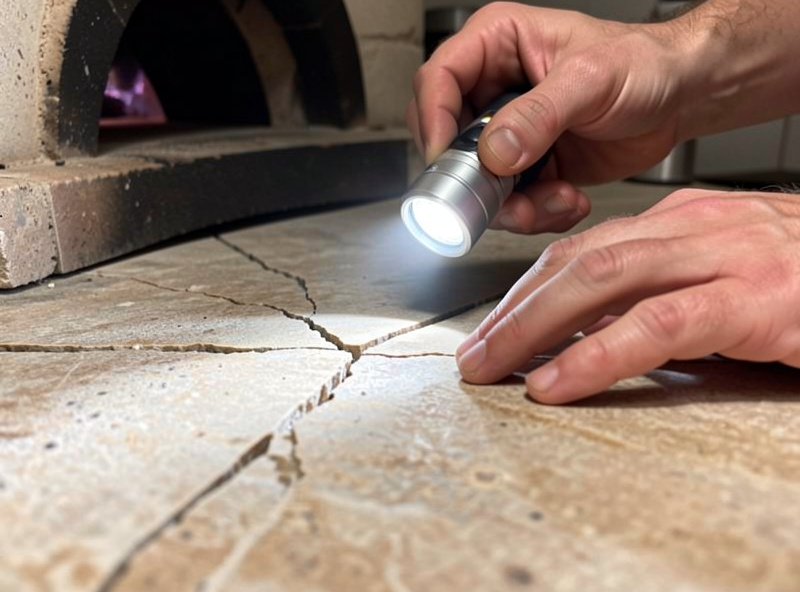
Check the stone, the burner, the body, and the door seal, in that order. The stone shows thermal-shock cracks and surface spalling; the burner can be clogged or corroded; the body rusts at the seams in damp storage; and a warped door leaks heat. Each fault has a known cause and a known fix, so a fault is a negotiating point, not a reason to walk.
The reason this inspection works is that pizza-oven failures are not random. Stones crack because someone launched a frozen dough ball or hosed a hot stone — thermal shock. Burners clog from spiders nesting in the venturi or from old, dirty propane. Bodies rust when stored uncovered in the damp. Doors warp from being slammed or dropped. Once you understand the cause behind each symptom, you can judge whether the seller abused the oven or simply used it. An oven with a cracked stone but a clean burner and solid body is usually a bargain — the stone is the cheapest part to replace.
Used Pizza Oven Inspection Checklist
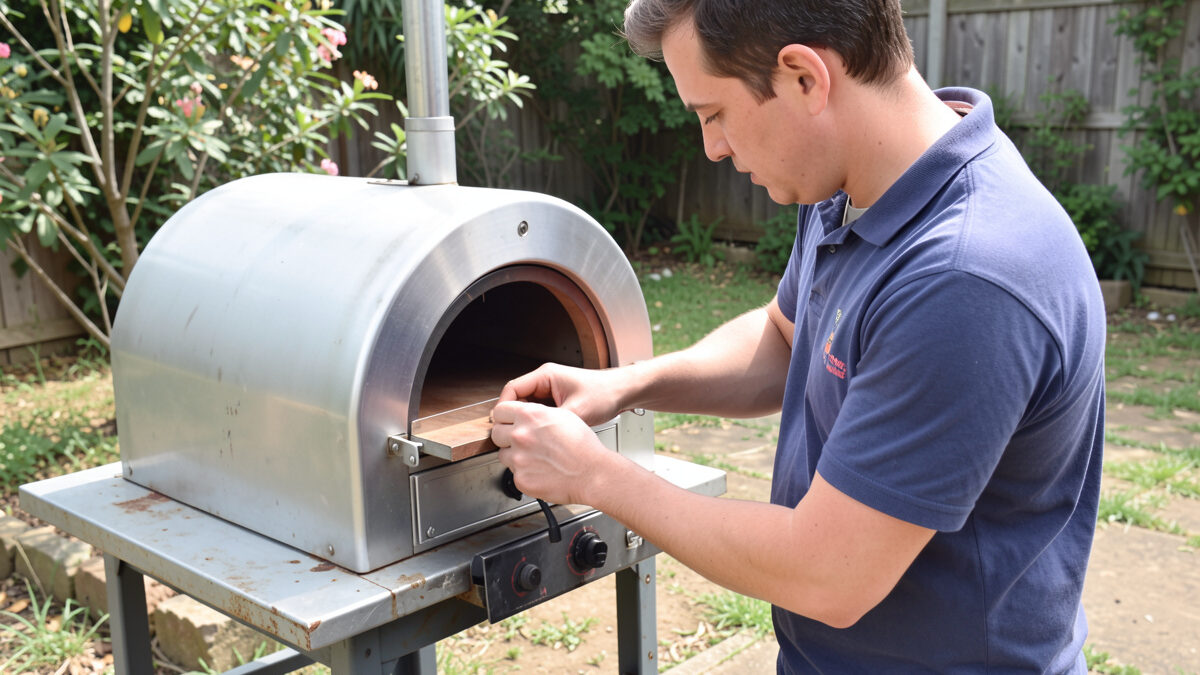
Run this checklist in person before buying. It takes five minutes and tells you whether you are looking at a clean used oven or a project. Bring a flashlight to see inside the burner area and the underside of the stone.
| Check | What to look for | Severity if bad |
|---|---|---|
| Stone | Cracks, spalling, deep staining | Low — replacement stone is cheap |
| Burner / jet | Clogs, corrosion, uneven flame | Medium — cleaning often fixes it |
| Body / seams | Rust, dents, loose panels | Medium to high — structural |
| Door / seal | Warping, poor fit, heat leaks | Medium — affects heat retention |
| Gas hose / regulator | Cracks, perishing, age | Replace on principle — safety |
| Ignition | Sparks and lights reliably | Low to medium — igniters are replaceable |
The one row I never compromise on is the gas hose and regulator. A perished or cracked hose is a safety issue, not a bargaining chip — I budget to replace it on any used gas oven regardless of how it looks, because it is cheap and it is the one component where “probably fine” is not good enough. Everything else on the list is a question of cost and effort.
How to Test a Used Gas Pizza Oven Before Buying
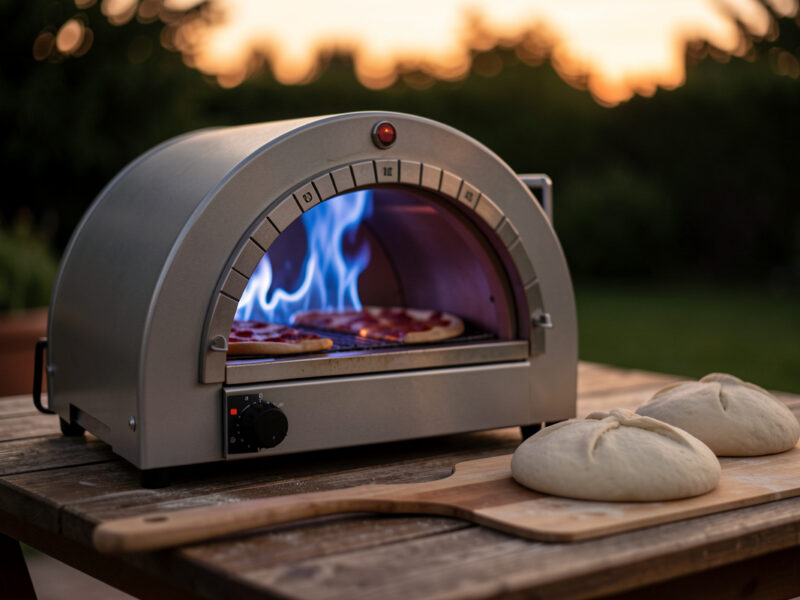
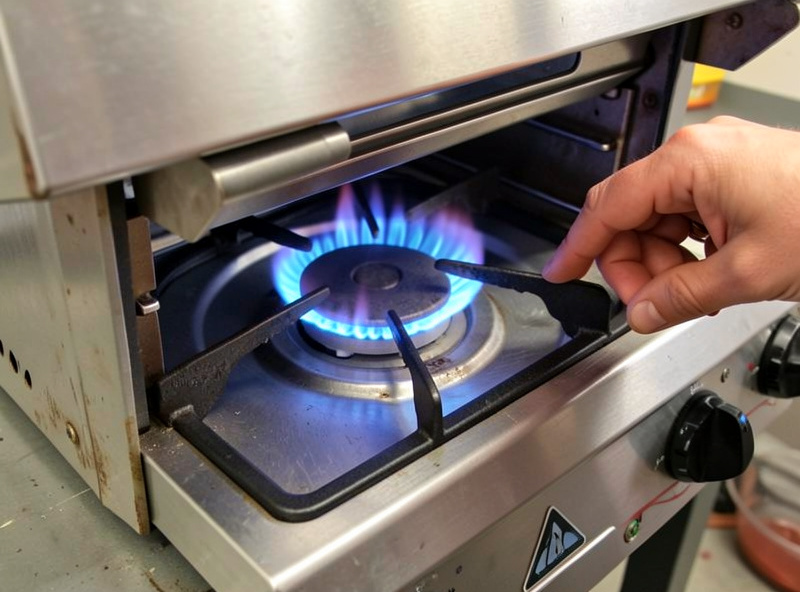
If you can, light it before you buy. A healthy gas oven ignites promptly, burns with an even blue flame across the burner, and heats the stone steadily. An uneven, yellow, or lazy flame points to a clogged or corroded burner, and a stone that will not climb past 350°C suggests a gas-supply or burner problem worth investigating.
Bring an infrared thermometer to the viewing if the seller will let you fire it — it turns a vague “seems hot” into a real number. Light it, let it heat-soak, and watch the flame: even and blue is healthy, yellow and licking is a sign of incomplete combustion from a dirty burner. Then check the stone temperature climbs into the normal range. A burner problem is usually a cleaning job, but you want to know before you pay, because it lets you negotiate. If the seller refuses to let you light it at all, factor in the risk — you are buying partly blind.
Is a Used Pizza Oven Worth It?
For most buyers, yes — a clean used portable gas oven at half retail is excellent value, because the parts that wear are cheap to replace and the body lasts for years. The savings let you put money into the accessories and dough ingredients that actually improve your pizza more than a brand-new oven would.
The math favors used in this category. A replacement stone is inexpensive, a burner clean is free, and a new hose and regulator cost little — so a used oven with cosmetic wear and a fixable fault can land at well under half the price of new while baking identically once sorted. I would happily buy a used portable gas oven that passed this checklist over paying full price, and put the difference toward an IR gun, a good peel, and better flour. The only used ovens I would avoid are ones with structural body damage or rust through the seams, because those are the faults you cannot cheaply fix. For the wider decision on which class to buy used in the first place, the pizza oven buying guide covers who each class suits.
Frequently Asked Questions
What should I check when buying a used pizza oven?
Check four things in order: the stone for cracks and spalling, the burner jet for clogs and corrosion, the body for rust at the seams, and the door for warping. Also replace the gas hose and regulator on principle for safety. Each fault has a known cause and fix.
Is it safe to buy a used gas pizza oven?
Yes, if you replace the gas hose and regulator on principle and confirm the burner lights with an even blue flame. A perished hose is the one component where probably fine is not good enough, and it is cheap to replace on any used gas oven.
How much should a used pizza oven cost?
A clean used portable gas oven that passes inspection is good value at well under half the price of new. The parts that wear, such as the stone, hose, and igniter, are cheap to replace, so cosmetic wear and fixable faults justify a lower offer.
Can you replace the stone in a used pizza oven?
Yes, and it is one of the cheapest fixes. Cracked or spalled stones are common from thermal shock and replacement stones are inexpensive, so a cracked stone should lower the price rather than end the deal. Match the replacement to the oven dimensions.
What faults make a used pizza oven not worth buying?
Structural body damage and rust through the seams are the faults to avoid, because they cannot be cheaply fixed. A cracked stone, clogged burner, or worn hose are all cheap fixes. Walk away from a compromised body, negotiate on everything else.
Should I light a used pizza oven before buying it?
Yes if the seller allows it. A healthy oven ignites promptly and burns an even blue flame, and the stone should climb steadily into the normal range. Bring an infrared thermometer to turn seems hot into a real number and to spot burner problems.
Related Guides
- How to Choose a Pizza Oven: The Complete Buying Guide
- Ooni Koda 16: A Long-Term Review
- Gas vs Wood Pizza Oven: The Honest Difference
- How to Make Pizza Dough: The Complete Guide
More from This Cluster
- “What Size Pizza Oven Should You Actually Buy?”
- “Pizza Oven for Cold Climate: The Nordic Reality”
- “Is an Indoor Electric Pizza Oven Worth It?”
- “Gas vs Wood Pizza Oven: The Honest Difference”
- “Ooni Koda 16 Review: A Long-Term Verdict”
- “How to Choose a Pizza Oven: The Complete Buying Guide”

About Kenny Nyhus Fadil
A home pizza maker documenting deck temps, dough logs, and the occasional wrecked launch.