Is an Indoor Electric Pizza Oven Worth It?

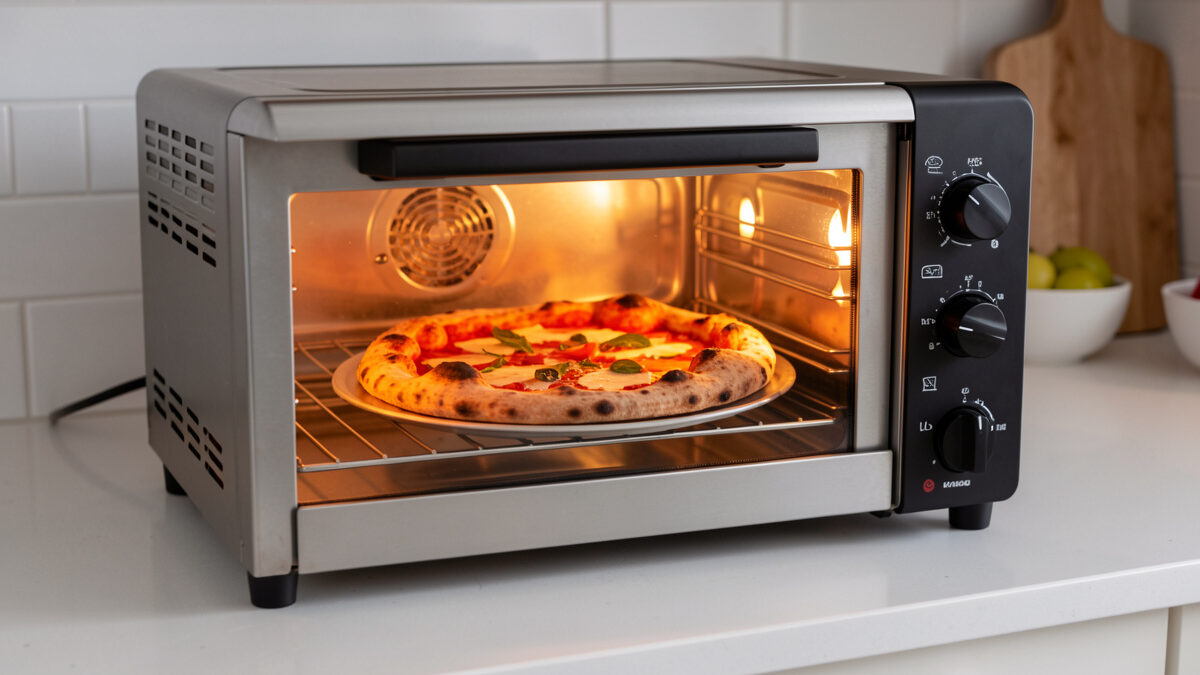
An indoor electric pizza oven is worth it if you bake year-round or live somewhere cold — it is the most-used oven you can own because weather never stops it. A 450°C electric with a biscotto stone fitted bakes Neapolitan-class pizza from the kitchen counter, no propane and no neighbors. The catch is the slower 40-minute heat soak and the need to buy one that actually fits a thick stone.
For me, in Sweden, the electric is the all-year reference every outdoor bake gets judged against. When the gas oven is under snow in January, the electric is on the counter making the same dough into the same pizza it made in July. That consistency is the whole argument. Here is the honest case for and against, from someone who treats it as the winter workhorse.
As an Amazon Associate I earn from qualifying purchases.
Is an Indoor Electric Pizza Oven Worth It?
Yes, for year-round and cold-climate bakers, an indoor electric is worth it because it delivers the highest bake count of any oven class. A good one holds about 450°C with a biscotto stone, runs on a normal kitchen outlet, and removes weather, propane, and outdoor setup from the equation entirely. It is the oven that actually gets used in winter.
The value comes down to usage frequency. A gas oven that bakes brilliantly but only comes out four times a summer costs more per pizza than an electric you fire weekly all year. I bake far more on the electric simply because there is no friction — no rolling the oven out, no tank, no checking the forecast. If your honest answer to “how often will I really bake?” is “whenever I feel like it,” the electric is the class that says yes most often. That is why I judge every outdoor oven against it rather than the other way around.
How Hot Do Indoor Electric Pizza Ovens Get?
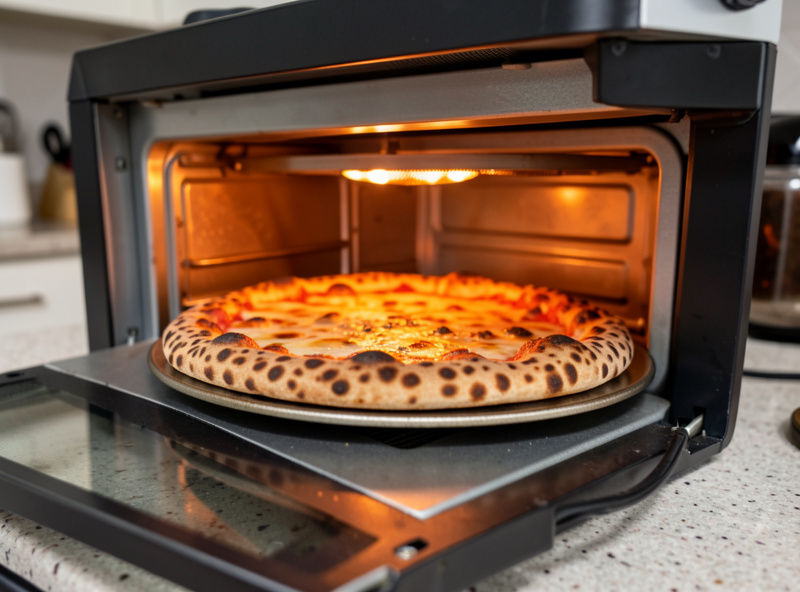
The electric ovens worth buying reach about 450°C deck temperature, enough for a 60-90 second Neapolitan bake when fitted with a thick biscotto-style stone. Cheaper countertop models top out around 350-400°C with a thin steel deck, which stretches the bake past two minutes and dries the crust instead of leoparding it.
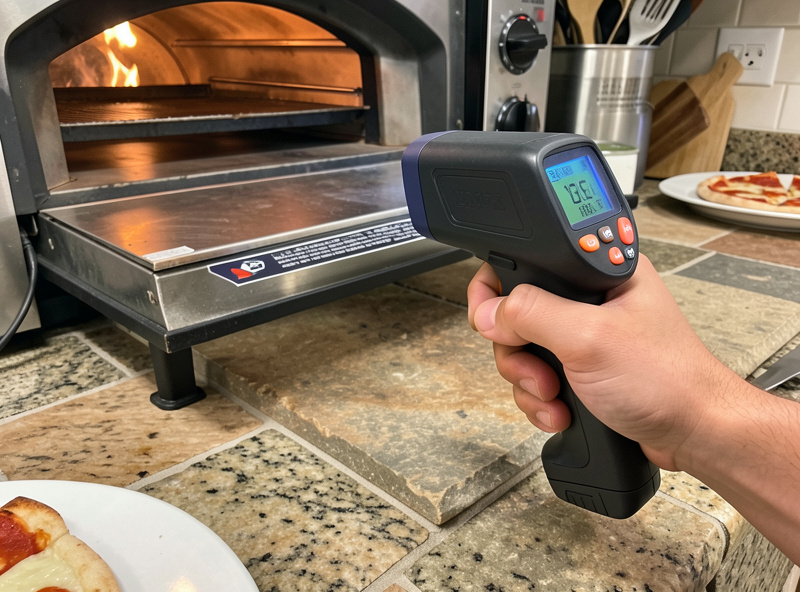
The temperature ceiling is the dividing line in this category. A genuine 450°C electric with top and bottom elements and a heat-storing stone behaves like a small deck oven; a budget “pizza maker” with a flimsy plate behaves like a fast toaster oven. The stone matters as much as the wattage, because a thin deck cannot recover between pizzas no matter how hot the elements get. I check the deck with the IR gun the same way I do outdoors, and I will not launch until it reads in range — the discipline does not change just because I am indoors. For the full picture of stone temperature targets by style, the buying logic in the pizza oven buying guide applies to electrics too.
Electric vs Gas: What You Gain and Lose
Against a gas oven, an electric gains all-weather year-round use, indoor convenience, and the highest bake count; it loses the very top of the temperature range and a little of the live-flame character. For most bakers in cold climates, that trade is heavily worth it — consistency beats a 50°C peak you rarely need.
I run both, and they serve different roles. The gas Koda is the summer-evening, friends-over, fast-and-fun oven. The electric is the dependable all-year tool that never cares about wind or cold. If I could only keep one in a Nordic climate, it would be the electric without hesitation, because nine months of the year the gas oven is fighting the weather while the electric just works. If you live somewhere warm and bake mostly outdoors, the calculus flips and gas makes more sense. The gas vs wood comparison covers the outdoor-fuel side of that decision.
What Are the Downsides of an Indoor Electric Pizza Oven?
The honest downsides are a slower heat soak (around 40 minutes versus 20 for gas), a temperature ceiling that tops out near 450°C rather than the 480-500°C a dome can reach, and the heat it throws into your kitchen. None are dealbreakers for most bakers, but they are real and worth planning around before you buy.
The heat soak is the one that surprises people. An electric does not blast to temperature; it climbs steadily as the stone absorbs energy, and rushing it gives you a hot element and a cold deck — the exact recipe for a pale, undercooked base. I start mine 40 minutes before I want the first pizza and treat that as non-negotiable. The kitchen heat is the other practical note: a 450°C oven radiates, so in a small kitchen in summer you will feel it. In a Swedish winter, of course, that is a feature. The ceiling rarely matters in practice — 450°C bakes a genuine 90-second pizza, and the extra 40°C a dome offers buys you very little once your hydration is dialed.
What to Look For in an Indoor Electric Pizza Oven
Buy an electric that reaches at least 450°C, fits a thick biscotto or cordierite stone, and has both top and bottom heating elements. Avoid thin-deck “pizza makers” under 400°C — they cannot bake true Neapolitan and recover poorly between pizzas. The stone and the temperature ceiling matter more than brand or looks.
My checklist is short and strict. First, the temperature ceiling: 450°C real, not a marketing number for a single hot spot. Second, the stone: thick enough to store heat and recover, ideally biscotto-style which forgives the base while the top finishes. Third, dual elements so you can balance top char against base bake. A useful upgrade on many models is fitting a proper biscotto pizza stone if the supplied deck is thin. Get those three things right and an indoor electric will out-bake far more expensive outdoor ovens for sheer reliability — and it will turn your dough work into pizza every week of the year.
Frequently Asked Questions
Is an indoor electric pizza oven worth buying?
Yes for year-round and cold-climate bakers. It runs on a kitchen outlet, ignores the weather, and delivers the highest bake count of any oven class. A 450C model with a biscotto stone bakes Neapolitan-class pizza from the counter.
How hot does an indoor electric pizza oven get?
The good ones reach about 450C deck temperature, enough for a 60 to 90 second bake. Budget models top out around 350 to 400C, which stretches the bake past two minutes and dries the crust instead of leoparding it.
Can an electric pizza oven make real Neapolitan pizza?
Yes, if it reaches 450C and has a thick biscotto-style stone and dual elements. At that deck temperature you get a true 90-second bake with leoparding. Thin-deck units under 400C cannot, regardless of how they are marketed.
Electric or gas pizza oven for a cold climate?
Electric, clearly. It works indoors in any weather while gas ovens stall in the cold as propane vapor pressure drops. In a Nordic climate the electric bakes all year while the gas oven fights wind and snow nine months out of twelve.
What should I look for in an indoor electric pizza oven?
Three things: a real 450C ceiling, a thick biscotto or cordierite stone that recovers between pizzas, and both top and bottom heating elements. The stone and temperature ceiling matter far more than brand or appearance.
Do indoor electric pizza ovens need ventilation?
They do not produce combustion gases like gas or wood ovens, so they are designed for indoor counter use. They do radiate heat and can smoke if flour or toppings burn on the deck, so normal kitchen ventilation is plenty.
Related Guides
- How to Choose a Pizza Oven: The Complete Buying Guide
- Ooni Koda 16: A Long-Term Review
- Gas vs Wood Pizza Oven: The Honest Difference
- How to Make Pizza Dough: The Complete Guide

About Kenny Nyhus Fadil
A home pizza maker documenting deck temps, dough logs, and the occasional wrecked launch.