High-Protein Flour for Neapolitan Pizza

Neapolitan pizza does not need a super-high-protein flour for the bake itself — the 60–90 second cook barely stresses the rim. What actually drives the choice is your ferment: a same-day dough is happy at 11–12% protein, but a 48–72 hour cold ferment needs a stronger flour, roughly 12.5–13.5% protein and a W-strength of 280–340, so the gluten survives the long wait without collapsing. High protein is a fermentation requirement, not a heat requirement.
This trips up almost everyone who gets serious about Neapolitan dough. You read that the pros use “strong” flour, you buy the highest-protein bag you can find, and your dough comes out tough and rubbery with a rim that will not stay open. The strength was never about the oven — it was about giving a long, slow ferment something to break down gracefully. Understanding that one distinction is what separates a dough that gets better over three days from one that turns to glue. I have mapped this across years of logged cold ferments, and the relationship between protein, W-strength, and time is consistent enough to plan around. Start with the flour selection overview if you want the wider context first.
What protein Neapolitan pizza actually needs
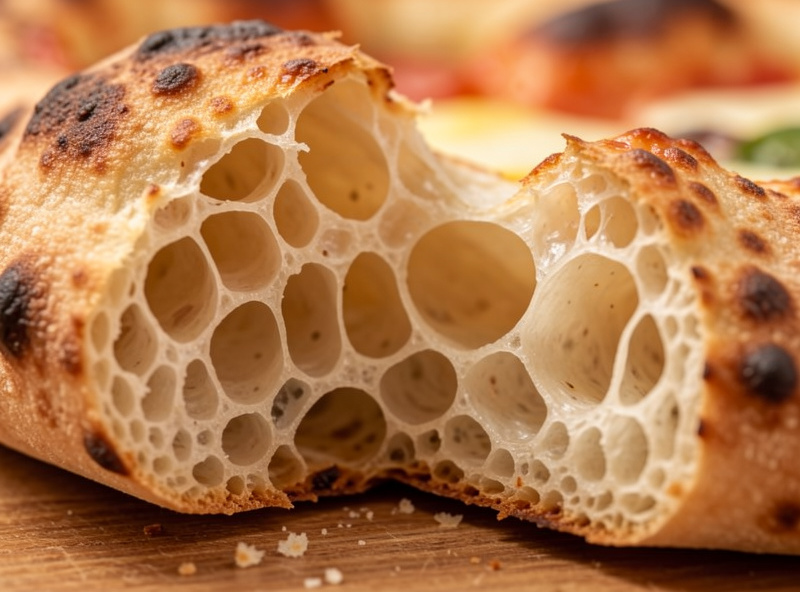
Authentic Neapolitan dough is traditionally built on a moderate-protein 00, not a powerhouse flour. The classic pizzeria flours land around 11.5–13% protein — strong enough to hold a light, airy rim through a flash bake, soft enough to stretch into a thin, tender disc by hand. The short bake is the key: at 430–480°C the pizza is in and out before the gluten network is stressed, so raw strength is not the priority. Tenderness and extensibility are. A flour that is too strong for the style gives a chewy, bready rim instead of the cloud-soft cornicione that defines the pizza.
So why does anyone reach for higher protein? Because the flavor of great Neapolitan dough comes from time, and time is what punishes weak flour. The moment you decide to cold-ferment for two or three days to develop that complex, faintly sour, deeply wheaty flavor, you need a flour with enough structural reserve to last the distance. That is the entire case for “high protein” in this context — it buys you fermentation time, not oven performance.
Protein percentage vs W-strength: the distinction that matters
Protein percentage is the number on the bag; W-strength is the number the dough actually feels. Protein content roughly predicts how much gluten a flour can form, but two flours at the same protein can behave very differently depending on the quality and balance of that protein. W-strength, measured on an alveograph, captures the whole picture — both the dough’s resistance (tenacity) and its ability to stretch (extensibility). Italian millers grade flour by W precisely because it predicts fermentation tolerance better than protein alone.
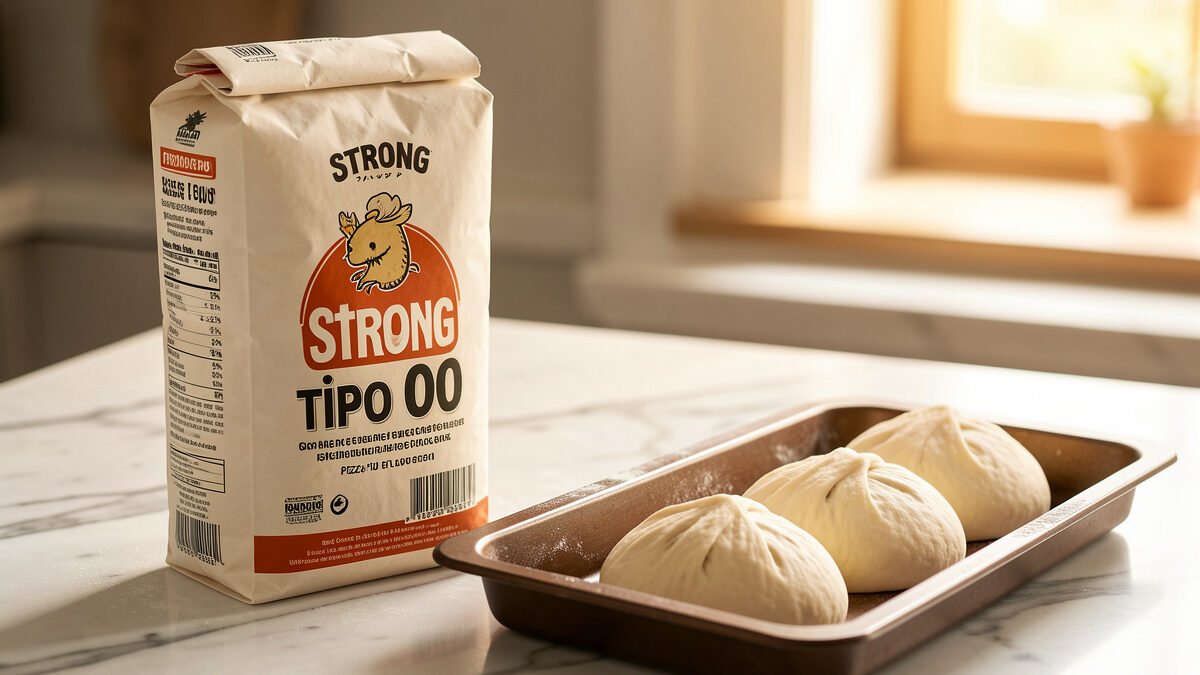
For Neapolitan dough the useful W bands are easy to remember. W240–270 is a medium-strong flour, good for same-day to overnight dough. W280–320 is a strong flour built for 24–48 hour cold ferments — this is the everyday long-ferment sweet spot. W330–360 and up is very strong, “manitoba” territory, used either for 72-hour-plus ferments or blended down with a weaker flour to lift its strength. Because W is rarely printed on consumer bags, I use protein percentage plus the manufacturer’s stated leavening time as a proxy — Caputo Pizzeria (blue) for my same-day bakes, Caputo Cuoco (red) once I commit to 48 hours: a bag that says “suitable for 24–48 hour leavening” is telling you it is genuinely strong. The gluten development guide explains the protein-to-network mechanism in depth.
Matching flour strength to ferment time
This table is the heart of the article — it pairs flour strength to how long you intend to ferment, which is the only sensible way to choose. Read it as “if I am fermenting this long, I want at least this much strength.”
| Ferment plan | Target protein | Target W-strength | Notes |
|---|---|---|---|
| Same day (4–8 h) | 11–12% | W220–260 | Strong flour is wasted here; stays tight |
| Overnight (12–18 h) | 12–12.5% | W250–280 | Medium-strong is ideal |
| 48 h cold ferment | 12.5–13.5% | W280–320 | The long-ferment sweet spot |
| 72 h cold ferment | 13.5–14.5% | W320–360 | Very strong, or a manitoba blend |
The logic running through it is simple. A long ferment is a slow breakdown of the gluten network by enzymes and acids; the stronger the flour, the more reserve it has to lose before the dough goes slack. Use a weak flour on a 72-hour schedule and you will pull sticky, structureless balls from the fridge that tear on the stretch. Use a very strong flour on a same-day dough and it will fight you, snap back, and bake chewy. Matching the two is the whole game, and it is exactly the pairing I lean on in my standard 48-hour cold ferment.
When you genuinely need high protein
There are three situations where reaching for a stronger flour is the right call. The first and most common is the long cold ferment already described — anything past 24 hours benefits, and past 48 hours it becomes necessary. The second is high hydration: if you push toward 65–70% water for an open, blistered crumb, a stronger flour holds that extra water in a workable dough instead of a slack puddle. The third is back-to-back baking on a heat-retaining oven — my dual-fuel dome runs exactly this way — where dough balls sit and over-proof while you work through a stack; a stronger flour holds its shape longer on the bench between launches.
Outside those cases, high protein is not an upgrade. For a quick weeknight dough baked the same day, a moderate 00 will give a softer, more tender Neapolitan rim than a muscular bread-style flour. The skill is reading your own plan honestly: how long, how wet, how many pizzas. Answer those and the flour strength picks itself, which is the same decision framework I use for the poolish preferment when I want strength and flavor from a different angle.
The manitoba blend trick
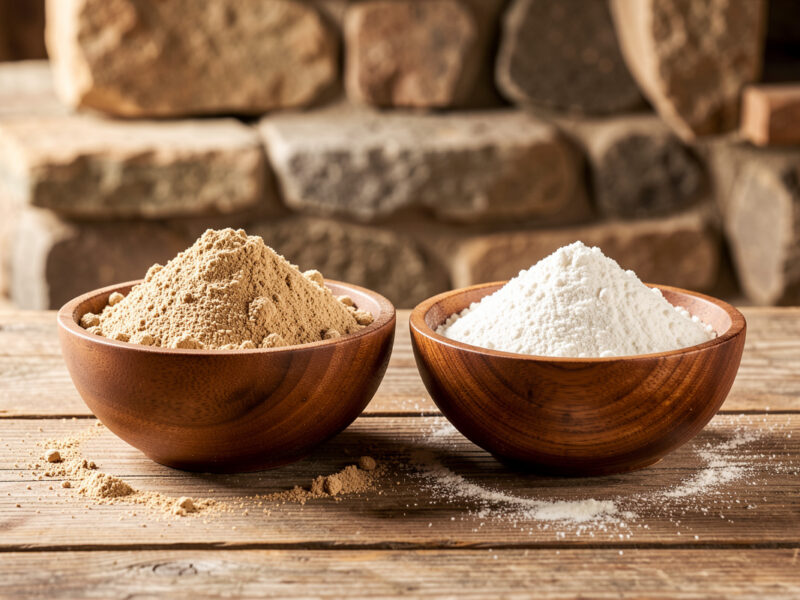
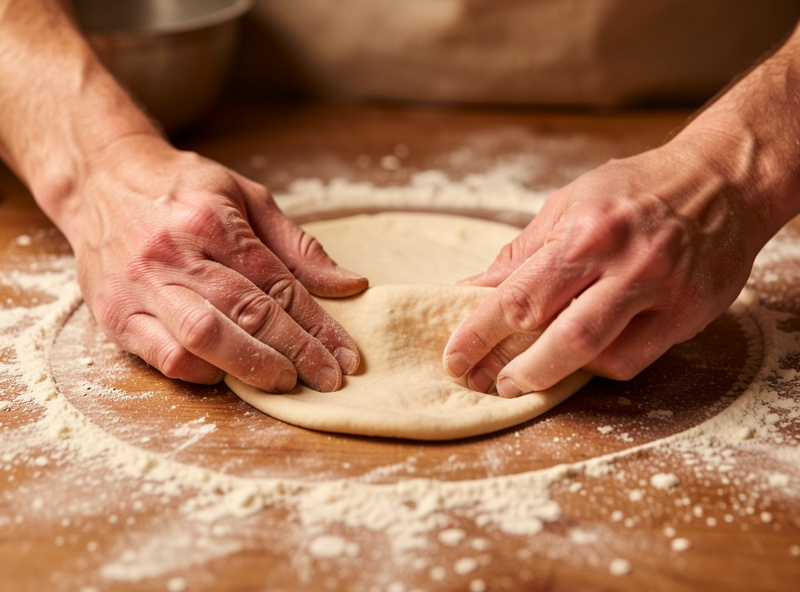
You do not always have to buy a single flour at exactly the strength you want. A reliable workshop trick is to blend a very strong “manitoba” flour (W350+) into a softer 00 to lift the overall strength to your target. Manitoba flour — named for the Canadian hard wheat tradition — is bred for very high protein and W, and a little goes a long way. Blending roughly 20–30% manitoba into a standard 00 nudges a medium flour up into solid long-ferment territory without the dough becoming brutally tight, because the softer base keeps some extensibility.
I keep a bag of manitoba on the shelf for exactly this. When I want to push a dough to 72 hours and only have a medium 00 in the cupboard, a 25% manitoba cut gets me there. As an Amazon Associate I earn from qualifying purchases. If your local shops only carry medium flour, a search for manitoba strong flour gives you a strength booster to keep on hand. Blend by weight, mix as normal, and adjust water up a touch because the stronger blend will take a little more.
Decoding the bag when W is not printed
Most consumer flour bags hide the W number, so you have to read the marketing language as a proxy. A stated leavening time is the most honest clue: “ideal for long leavening” or “24–48 hour maturation” means the miller is confident the flour is genuinely strong. Words like “panettone flour” or “manitoba” signal very high strength built for enriched, slow doughs. A bag that says nothing about leavening and sits at 10–11% protein is a soft, short-ferment flour, fine for tonight but wrong for a three-day plan.
I keep my own shorthand in the dough log: I write down each bag’s protein, any leavening claim, and then what the dough actually did at 24, 48, and 72 hours. After two or three bakes I know a flour’s real ferment ceiling better than any printed number could tell me. That logged behavior — not the label — is what I trust when I plan a long ferment.
The high-protein mistakes I see most
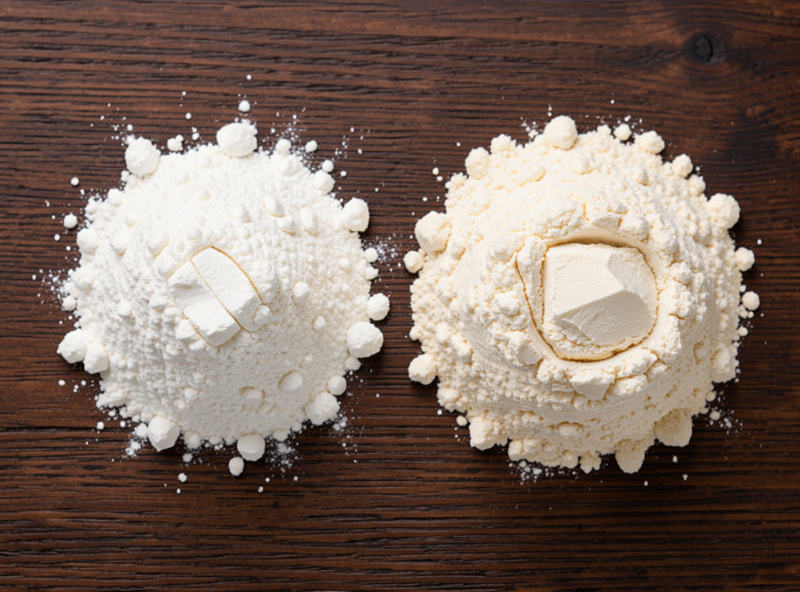
The classic error is buying the strongest flour available and using it for everything. On a same-day dough that flour bakes tough and rubbery, the rim stays tight no matter how you stretch, and beginners conclude they “can’t make Neapolitan” when the real problem is mismatched strength and ferment. The fix is almost always to either ferment longer to use up that strength, or drop to a softer flour for the short schedule.
The second mistake is chasing protein percentage while ignoring extensibility. A flour can be strong and stubborn — high tenacity, low extensibility — which makes a dough that resists every stretch. This is where W-strength and real-world handling beat the bag’s protein number; a well-balanced strong 00 stretches willingly even at 13%, while a poorly balanced one fights you at the same figure. Trust how the dough behaves under your hands over the printed number, log what each bag actually does, and you will stop overbuying strength you do not need. For the broader Neapolitan method around the dough, the Neapolitan technique guide ties it together.
Frequently Asked Questions
Does Neapolitan pizza need high protein flour?
Not for the bake itself. The 60-90 second cook barely stresses the rim, so a moderate 11.5-13% protein 00 is traditional. You only need higher protein and W-strength when you cold-ferment for 48-72 hours, because the long ferment needs enough gluten reserve to survive without collapsing.
What protein percentage is best for Neapolitan dough?
For a same-day dough, 11-12% protein is ideal and gives a tender rim. For a 48-hour cold ferment, aim 12.5-13.5%. For 72 hours, 13.5-14.5% or a manitoba blend. Match the protein to your ferment length rather than always buying the strongest flour available.
What is the difference between protein and W-strength?
Protein percentage roughly predicts how much gluten a flour can form and is printed on the bag. W-strength, measured on an alveograph, captures both resistance and extensibility and predicts fermentation tolerance better. Two flours at the same protein can have different W and handle very differently in a long ferment.
What W-strength flour should I use for a 48-hour ferment?
Aim for W280-320 for a 48-hour cold ferment. That is the long-ferment sweet spot: strong enough to hold structure through two days in the fridge, not so strong the dough fights the stretch. W is rarely printed, so use protein around 12.5-13.5% and a stated 24-48 hour leavening time as a proxy.
Can I blend flours to make a stronger pizza flour?
Yes. Blending 20-30% very strong manitoba flour (W350+) into a softer 00 lifts the overall strength into long-ferment territory while keeping some extensibility. Blend by weight, mix as normal, and add a touch more water because the stronger blend absorbs slightly more.
Why is my high protein dough tough and rubbery?
Usually because the flour is too strong for the ferment. On a same-day dough a very strong flour stays tight and bakes chewy, since nothing has broken down its excess structure. Either ferment longer to use up the strength, or switch to a softer 11-12% flour for short schedules.
Related Reading
- Best Flour for Pizza: The Complete Guide
- 00 Flour vs Bread Flour for Pizza
- Caputo Flour Guide for Home Bakers
- Understanding Gluten Development in Pizza Flour
- Cold Ferment Pizza Dough: The 48-Hour Method

About Kenny Nyhus Fadil
A home pizza maker documenting deck temps, dough logs, and the occasional wrecked launch.