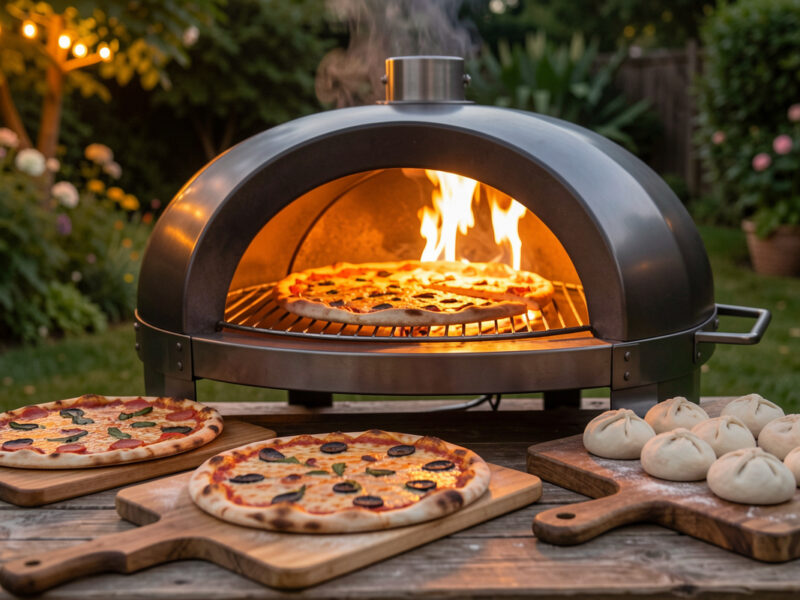
Pizza Stone Temperature by Style: The Full Map

The right stone temperature is set by the pizza style you are making, not by how hot your oven can go. Neapolitan wants 430–480°C, New York wants 290–340°C, and Detroit-style wants 230–290°C at the deck. Match the stone to the style and the dough does the rest; mismatch them and you get a burnt rim around a raw centre.
This is the question I get more than any other: “what should my stone be at?” The honest answer is always “for which pizza?” Over years of logging bakes I have learned that each style is really a deck-temperature recipe with a dough attached. This guide gives you the target for every common style, the hydration and bake time that go with it, and why hotter is not better. It sits under my pizza oven temperature guide, and you measure every number here with the gun from my IR thermometer guide.
The Full Stone Temperature Map by Style
Here is the working table from my dough log — the deck temperature I actually launch each style at, with the hydration range and bake window that pair with it. These are launch targets measured at the landing spot, not air temperatures, and not the oven’s peak. Treat them as the centre of a range you dial in to your own oven and flour.
| Style | Stone Temp | Hydration | Bake Time | Crumb Result |
|---|---|---|---|---|
| Neapolitan (AVPN-style) | 430–480°C / 800–900°F | 58–62% | 60–90 sec | Airy, leoparded, soft-floppy |
| Contemporary “canotto” | 400–440°C / 750–825°F | 65–75% | 90 sec–2 min | Huge puffed rim, open crumb |
| New York | 290–340°C / 550–650°F | 62–65% | 4–6 min | Foldable, crisp-chewy |
| New Haven / coal-style | 340–400°C / 650–750°F | 65–68% | 3–5 min | Charred, crackly, lean |
| Detroit / Sicilian (in pan) | 230–290°C / 450–550°F | 70–80% | 10–15 min | Thick, crisp fried base |
| Roman tonda (thin-crisp) | 300–350°C / 570–660°F | 55–60% | 3–4 min | Cracker-thin, shatter-crisp |
Why Hotter Is Not Better
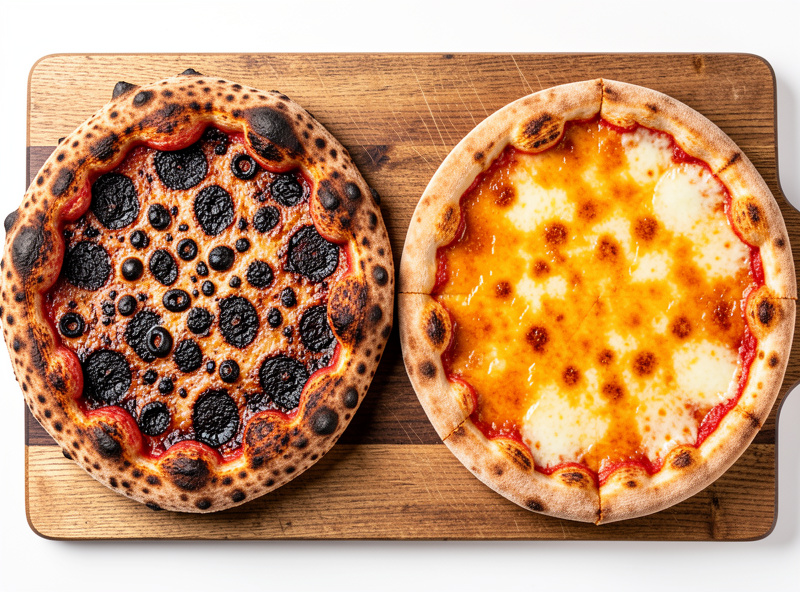
The instinct after buying a 500°C oven is to bake everything as hot as possible, but most styles get worse above their target. A New York dough on a 460°C deck carbonises underneath before the four-minute interior set it needs ever happens; a Detroit pan on a 400°C stone scorches its base while the thick crumb stays gummy. Each style’s temperature exists because that is where its dough cooks in balance, top and bottom finishing together.
Neapolitan is the only common style that genuinely wants ferocious heat, because its thin, lean, lower-hydration dough is built to flash-bake in under 90 seconds — the 60–90 second window and 430–480°C deck are written into the AVPN disciplinare itself, not something I invented — that speed is what gives it the soft, pliable centre under a leoparded rim. Push any slower-baking style to those temperatures and you are not making it more authentic, you are just burning it faster. The skill is restraint: pick the style, set the deck to its number, and resist the urge to crank.
Hydration Tracks Temperature
The reason each style pairs a hydration with a deck temperature is physics: wetter dough needs either more time or more heat to drive off moisture and set. A 75% hydration contemporary dough survives a 430°C deck because it bakes fast and the steam puffs the rim; that same 75% dough at 300°C would sit pale and wet because the bake is too slow and too cool to set it before it goes leathery.
This is the through-line from my fermentation bench: the same starter raises every pizza on this site, and hydration is the dial that decides which oven and which deck temperature a dough belongs in. Map your hydration to your oven class first, then set the deck to match. If hydration is fuzzy, start with my hydration explained guide, and for the long-ferment foundation under all of it see the 48-hour cold ferment.
What Your Oven Class Can Actually Reach
The cruel truth is that your oven decides which styles are even on the menu. A standard kitchen oven tops out around 250–290°C at the stone, which puts Neapolitan permanently out of reach and makes New York, Detroit, and Roman your real lane. My Ooni Koda 16 on gas and my Effeuno electric both reach Neapolitan territory; a Gozney-class dome oven goes further still. Pick targets your gear can hit before you pick a style.
I spent a frustrating month early on trying to force Neapolitan out of a 280°C kitchen oven and pulling nothing but pale, bready discs, which is why I keep telling home-oven bakers to stop chasing 90-second Neapolitan and instead master a brilliant New York or Detroit, which their oven can absolutely nail. A pizza steel helps enormously here because it conducts heat into the base far faster than a stone at the same temperature, effectively buying you a hotter-feeling deck — the full story is in my steel vs stone verdict and broiler method. If you are choosing an oven around the styles you want, start at the buying guide.
Dialling In Your Own Number
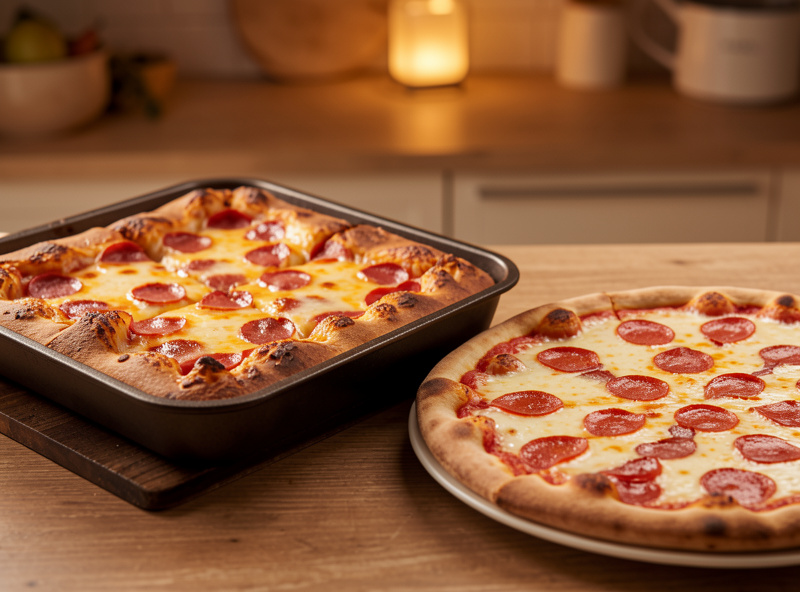
The table gives you the centre of each range; your oven and flour move you within it. If your bases come out pale and soft despite a correct reading, your deck is too cool for the style and you should soak longer and launch hotter. If the underside chars before the top colours, the deck is too hot and you should drop it or move to a slower style. The crust tells you which way to move.
I keep a running note for each oven of the deck temperature that produced the best version of each style, because the ideal number drifts a little with the flour, the ambient temperature, and how the oven was soaked. Once you have your own confirmed numbers logged, baking stops being a guess and becomes a setting you select. For the recovery discipline that keeps that number steady across a whole night, read heat recovery between pizzas, and to make sure the stone is truly at temperature before you trust the reading, heat soak explained.
Frequently Asked Questions
What stone temperature is best for Neapolitan pizza?
A deck temperature of 430 to 480C (800 to 900F) measured at the landing spot. That heat flash-bakes a lean 58 to 62 percent hydration dough in 60 to 90 seconds, giving the soft pliable centre and leoparded rim. It is the only common style that genuinely wants such ferocious heat.
What stone temperature should I use for New York style pizza?
Aim for 290 to 340C (550 to 650F). A New York dough needs four to six minutes for the interior to set, so a cooler deck lets the bottom crisp without carbonising. Bake it on a Neapolitan deck and the base burns long before the inside is done.
Can I make Neapolitan pizza in a regular home oven?
Not true Neapolitan. A standard kitchen oven tops out around 250 to 290C at the stone, far below the 430C-plus a Neapolitan deck needs. Home-oven bakers get far better results mastering New York, Detroit, or Roman styles, which their oven can actually reach.
Why does higher hydration dough need a hotter deck?
Wetter dough holds more moisture that must be driven off and set. A hotter, faster bake puffs and sets a high-hydration dough before it goes leathery, while a cool slow deck leaves it pale and gummy. Hydration and deck temperature are paired for that reason.
What deck temperature does Detroit style pizza need?
Bake Detroit and Sicilian styles at 230 to 290C (450 to 550F) in their pan for 10 to 15 minutes. The thick high-hydration crumb needs a gentler, longer bake so the inside cooks through while the cheese-edged base fries crisp. A hot deck scorches the base before the centre sets.
My base burns before the top cooks. What is wrong?
Your deck is too hot for the style you are baking, or your toppings are too heavy for a fast bake. Drop the stone temperature toward the target for that style, or switch to a slower style. Matching deck temperature to style is the fix.
More From the Temperature Series
- Pizza Oven Temperature Discipline: The Complete Guide
- IR Thermometer Guide for Pizza Ovens
- Heat Soak Explained for Pizza Ovens
- Pizza Dough Hydration Explained
- Pizza Oven Heat Recovery Between Bakes

About Kenny Nyhus Fadil
A home pizza maker documenting deck temps, dough logs, and the occasional wrecked launch.
Keep Baking
Pizza Oven Temperature Discipline: The Complete Guide
Pizza Oven Cold Weather and Wind: Baking in Winter