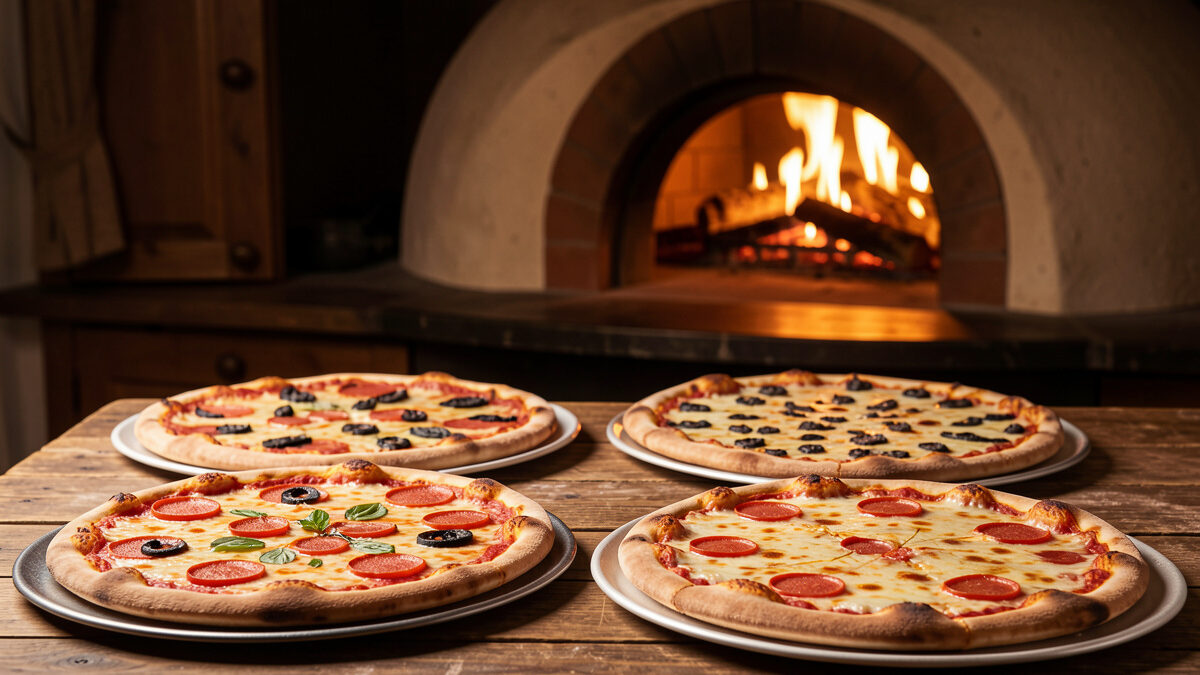
Pizza Styles at Home: Match the Style to Your Oven

Pizza style is mostly a decision about heat and pan, not nationality. Pick the style your oven can actually hit: Neapolitan needs 430°C+ stone, New York thrives at 300–340°C, and Detroit and Sicilian bake happily in a 230°C home oven. Match the style to the heat you own and the slice gets easy.
I run one dough lab and rotate ovens against it — a gas Ooni Koda 16, a dual-fuel dome, an indoor electric capped at 450°C with a biscotto stone, and a plain 6mm steel under the broiler in my kitchen. Five styles have earned a permanent slot in my dough log because each one teaches a different lesson about stone temperature, hydration, and what a pan does that an open hearth can’t. This guide maps all five to the heat you already have at home, so you stop chasing the wrong style on the wrong oven.
The Five Home Pizza Styles at a Glance
The fastest way to choose a style is to read it as a heat bracket. Neapolitan and Roman tonda live in the 400°C+ specialty-oven world; New York sits in the steel-and-broiler middle; Detroit and Sicilian are the two pan styles that a standard 230°C oven bakes beautifully. That single fact — which oven each style demands — decides more than flour brand or sauce recipe ever will.
Below is the same table I’d sketch for anyone asking where to start. Every number here comes straight out of my own bakes, cross-checked with the IR gun on the stone surface, not the oven’s dial. The stone temps are launch-decision numbers: the reading I want before the dough goes in.
| Style | Best oven class | Stone/surface temp | Hydration | Bake time | Pan needed |
|---|---|---|---|---|---|
| Neapolitan | Gas / dual-fuel / 450°C electric | 430–480°C | 60–65% | 60–90 sec | None (open hearth) |
| New York | Steel in home oven / electric | 300–340°C | 62–64% | 5–7 min | None (steel or stone) |
| Detroit | Standard home oven | 220–245°C (air) | 70–75% | 12–15 min | Blued steel pan |
| Roman tonda | Electric / gas / home oven | 300–350°C | 57–62% | 4–7 min | None (steel or stone) |
| Sicilian grandma | Standard home oven | 220–240°C (air) | 68–72% | 15–20 min | Quarter sheet / steel pan |
Notice the pattern: the two styles that need the least equipment — Detroit and Sicilian — are pan bakes that any oven handles, and the two that demand the most heat — Neapolitan and tonda — are the open-hearth styles. If you don’t own a specialty oven yet, you are not locked out of great pizza. You are simply pointed at the pan styles first.
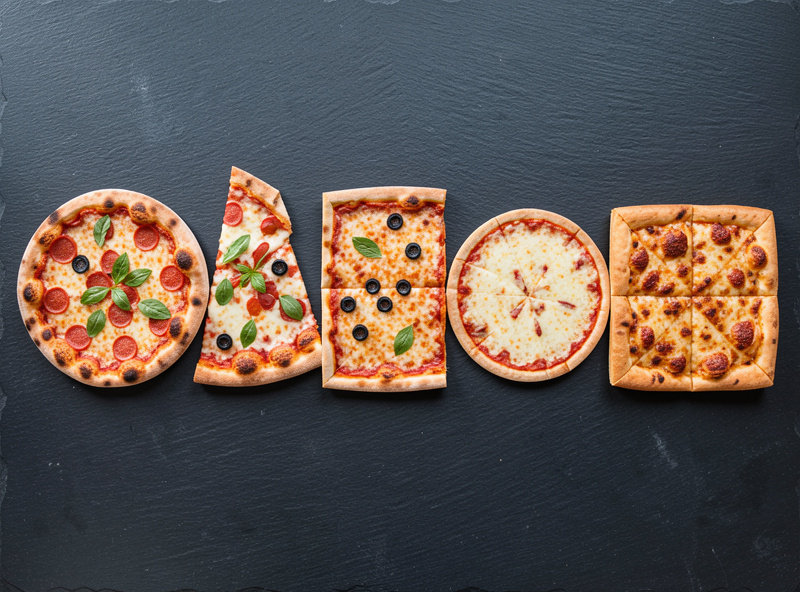
Neapolitan: The High-Heat Benchmark
Neapolitan is the style everyone pictures and the one fewest home kitchens can actually produce, because it lives or dies on stone temperature. You need 430°C+ under the dough to get the 60–90 second bake that puffs the cornicione and leaves the center soft. Below 400°C the same dough turns into a cracker, and no amount of dough skill fixes a cold stone.
This is the one style where the oven is non-negotiable. My gas Ooni Koda 16 and the dual-fuel dome both hit it outdoors; the 450°C electric with a biscotto stone is what gets me Neapolitan in a Swedish January. The dough itself is forgiving — 60–65% hydration, a soft 00 flour, a long cold ferment — but the launch is unforgiving, because a 70-second bake gives you no time to fix a stuck or torn base. If you want the full equipment-and-technique breakdown, the Neapolitan pizza at home requirements guide is the deep dive; for the heat side specifically, see Neapolitan oven temperature.
The honest verdict from my dough log: Neapolitan is the best flavor payoff per gram of flour, and the worst value if you have to buy a 450°C oven just to make it. Bake a few hundred of them and you stop chasing the last 30°C and start caring about ferment schedule and launch confidence instead.
New York: The All-Rounder for Steel and Gas
New York is the most home-friendly of the “real pizzeria” styles because it bakes at a temperature your kitchen oven can reach with a steel. A 6mm pizza steel preheated for an hour gets a home oven into the 300–340°C surface range, and that 5–7 minute bake is what gives New York its foldable, slightly chewy structure and lightly browned base.
The dough is a touch richer than Neapolitan — a little oil and sugar, 62–64% hydration, bread flour for the chew — and it rewards a cold ferment of 48 to 72 hours. Because the bake is minutes not seconds, you have time to manage it: rotate once, watch the underside, pull when the rim is gold. That margin is exactly why I send beginners here before Neapolitan. The full method is in New York style pizza in a home oven, and the surface choice that makes it work is covered in pizza steel vs stone and steel thickness.
If you own nothing but a home oven and a steel, New York is the style that will make you look like you bought a specialty oven. It’s the highest skill-to-equipment ratio on this list.
Detroit: The Pan Style That Forgives Everything
Detroit-style is the most beginner-proof pizza on this list, and it’s the one I recommend to anyone who has only a standard 230°C oven and zero launch experience. There is no peel, no stone-temp anxiety, no 70-second window. You press a wet 70–75% dough into a blued-steel pan, top it cheese-to-the-edge, and bake 12–15 minutes. The pan does all the work the open hearth makes you earn.
The signature is the “frico” — the lacy, fried cheese crust where brick cheese meets the hot pan wall. That edge is the whole point, and it only happens with a pan that conducts and holds heat. The dough is high hydration and lazy: long cold ferment, minimal shaping, it stretches itself in the pan over a couple of hours. I keep a dedicated steel pan for this and nothing else. Full build in the Detroit-style pan pizza guide.
If your honest situation is “I have an apartment oven and I want great pizza tonight,” Detroit is the answer. It is the style with the shortest distance between a beginner and a genuinely impressive result.
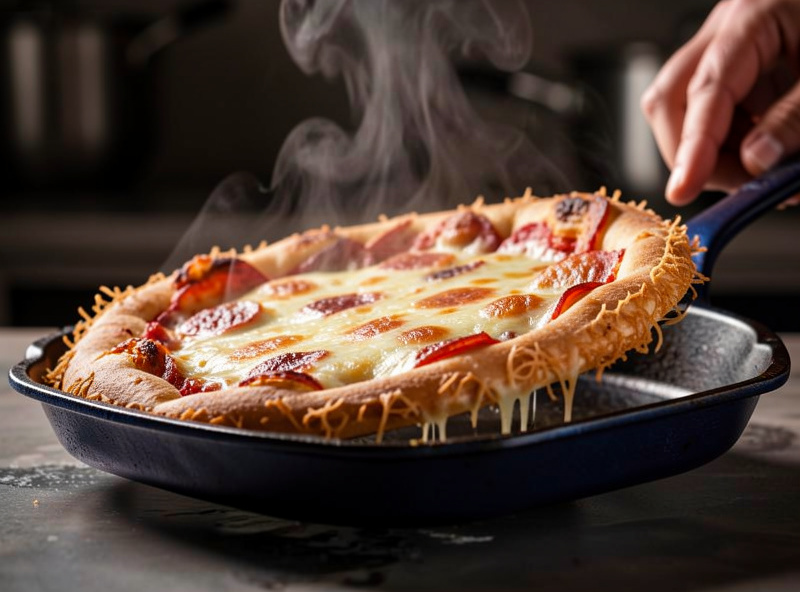
Roman Tonda: The Thin, Crisp Outlier
Tonda Romana is the style most people have eaten in Rome without knowing its name: a round pizza rolled out paper-thin, baked crisp edge to edge with almost no puff. It is the deliberate opposite of Neapolitan — where Neapolitan wants oven spring and a pillowy rim, tonda wants a low-hydration (57–62%), often olive-oil-enriched dough rolled flat with a pin and baked until it shatters.
That cracker-thin structure is why tonda bakes well across a wide range of ovens: a steel at 300°C, a gas oven, even a strong home oven all produce a respectable scrocchiarella crunch in 4–7 minutes. The technique that throws people is the rolling — you actually roll this dough with a pin, knocking the gas out, which feels like heresy after learning to hand-stretch Neapolitan. It isn’t; it’s the correct move for this style. The full walkthrough is in the tonda Romana thin crispy pizza guide.
I reach for tonda when I want maximum crunch and minimum fuss, and when I’m baking for people who find Neapolitan’s wet center off-putting. It’s the most underrated style on this list and the one that converts “I don’t like thin crust” skeptics fastest.
Sicilian Grandma: The Easiest Entry Point
Sicilian grandma is the gateway pan pizza: a thinner, faster cousin of thick Sicilian that bakes in a quarter sheet or steel pan in a standard oven, no overnight proof strictly required. The dough is moderate hydration (68–72%), oiled into the pan, dimpled, topped with crushed tomato and low-moisture mozzarella, and baked 15–20 minutes to a crisp, oil-fried bottom.
What makes grandma style ideal for a first bake is that the pan and the oil do the heavy lifting. There’s no launch, the timing is wide, and the bottom crisps from conduction rather than radiant stone heat. It’s the pizza I hand someone who has never made dough before, because the failure modes are mild — worst case you get a slightly bready square, not a torn raw disaster. Full method in the Sicilian grandma pan pizza guide.
Between Detroit and grandma you have two pan styles that cover almost every home oven situation. If you’re building a repertoire from zero, these two plus New York give you range without buying a single specialty oven.
Match the Style to the Oven You Already Own
The single most useful thing this guide can do is stop you buying the wrong oven for the style you want — or, more often, stop you assuming you need an oven at all. Here’s the honest mapping from my own rotation, because I’ve baked every one of these styles on every one of these surfaces.
If you own only a standard home oven, your lane is Detroit, Sicilian grandma, and — with a steel added — New York and tonda. That’s four of five styles with one appliance and a steel. Neapolitan is the only one truly out of reach, and the broiler method gets you a credible “Neapolitan-ish” close enough that most people can’t tell. Don’t buy a specialty oven until you’ve exhausted what a steel and a broiler can do; see home oven max-temp workarounds.
If you own a gas outdoor oven like my Ooni Koda 16, Neapolitan and tonda are your sweet spot, and the same oven turned down handles New York fine. If you own a dual-fuel dome, you’ve got the full range plus the wood option — though my gas vs wood verdict is that wood changes the theater more than the flavor at 90-second bakes. And if you bake indoors year-round like I do in Sweden, a 450°C indoor electric with a biscotto stone is the one oven that does Neapolitan and everything below it without weather excuses. The buying logic for all of these is in the pizza oven buying guide, and cold-climate buyers should read the Nordic reality check first.
| Oven you own | Easy wins | Possible with a steel | Out of reach |
|---|---|---|---|
| Standard home oven | Detroit, Sicilian | New York, tonda | True Neapolitan |
| Steel + broiler | New York, tonda, Detroit, Sicilian | Neapolitan-ish (broiler) | Sub-90-sec Neapolitan |
| Gas outdoor (Ooni-class) | Neapolitan, tonda, New York | — | Pan styles (use the home oven) |
| 450°C indoor electric | All five | — | Nothing |
Match the Style to Your Dough
Every style on this list is a variation on the same two levers: hydration and ferment time. Once you understand that Neapolitan is a soft 62% with a long cold ferment and Detroit is a wet 73% pressed into a pan, the styles stop being separate recipes and become settings on one dial. That’s the whole reason I run a single dough lab against rotating ovens — the dough is the constant.
The cold ferment is the cheapest upgrade in pizza and it improves every style here. My standing default is a 48-hour cold ferment: better flavor, more extensible dough, easier launch. Hydration is the other lever, and the right number is style-specific — my hydration guide maps the full range, and the broader method lives in the complete dough guide. Flour choice matters less than people think, but the 00 vs bread flour trade-off is real: 00 for the soft Neapolitan rim, bread flour for New York chew. For preferments that deepen flavor, poolish is my go-to for New York and tonda.
The same sourdough culture that runs my fermentation bench raises every pizza on this site — the oven is just the last 90 seconds of a 48-hour process. If you want to take the dough side deeper than pizza needs, the sister site’s home sourdough guide and its hydration percentage breakdown are where I keep the culture-keeping depth that a style-specific dough sometimes calls for.
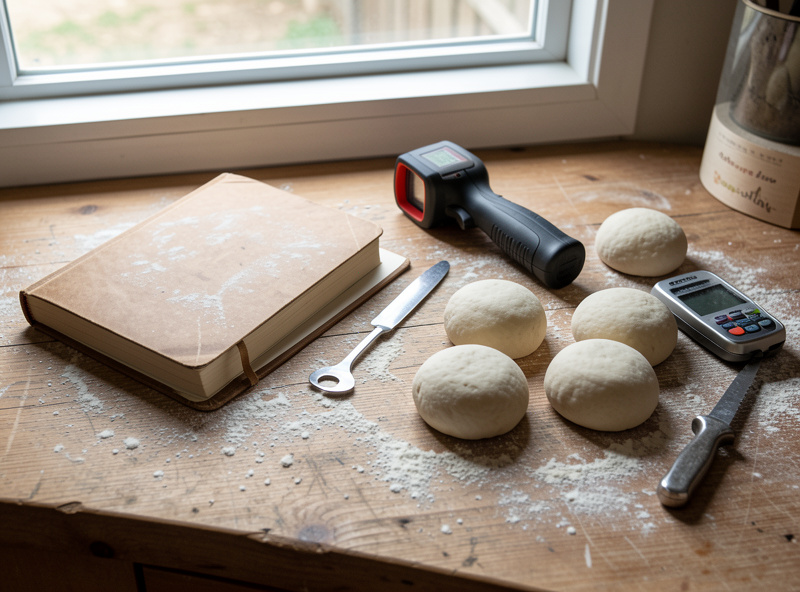
The Pans and Surfaces That Actually Matter
Two of these five styles need a pan, and the pan is not the place to economize, because for Detroit and Sicilian the pan is the cooking method. For everything else, a good baking surface — steel or stone — matters more than any topping decision. Here’s where money is well spent and where it’s wasted.
As an Amazon Associate I earn from qualifying purchases.
For Detroit, a genuine blued-steel Detroit-style pizza pan is worth it — the conduction and the tall straight walls are what build the frico edge, and a flimsy nonstick tray won’t get there. For Sicilian grandma, a heavy aluminized steel quarter-sheet pan does the job for a fraction of the price. For New York and tonda, the surface is everything: a 6mm pizza steel preheated an hour beats any stone for home-oven browning, and the reasons are in my preheat-time comparison. Whatever surface you land on, the care guide keeps it alive for years.
What you don’t need: a drawer of single-use gadgets. A perforated launch peel, a turning peel, a bench knife, and an IR thermometer cover every style here. The IR gun is the one instrument I’d never bake without — it’s how I make the launch decision on every open-hearth style, reading the stone instead of trusting a dial.
How I’d Sequence Learning These Five Styles
If I were starting over with only a home oven, I’d learn these in a deliberate order that builds skill without buying anything for as long as possible. The sequence matters because each style teaches a foundation the next one assumes you already have.
Start with Sicilian grandma — it teaches you dough handling and oven feel with the widest margin for error. Then Detroit, which adds high-hydration handling and the patience of a long pan proof. Third, add a steel and learn New York: now you’re managing a real launch, a hot surface, and a 6-minute bake with timing decisions. Fourth, tonda Romana, which teaches you that some doughs want a rolling pin and a crisp-not-puffy result. Only then — if you still want it — chase Neapolitan, by which point you’ll have the launch confidence and stone-temp discipline it demands, and you’ll know whether the oven purchase is worth it to you.
The mistake I see most is starting at Neapolitan because it’s the prestige style, failing on a cold stone, and concluding home pizza is hard. It isn’t. You started at the top of the difficulty curve. Start at the bottom, where a pan and an oil-slicked sheet make you look good on night one, and climb from there. Every step up is documented in its own spoke guide linked throughout this page.
Cheese and Topping Logic by Style
Cheese is not interchangeable across these styles, and getting it wrong is the most common way a technically good bake still disappoints. The rule of thumb: the hotter and faster the bake, the wetter and fresher the cheese can be; the slower the pan bake, the drier and lower-moisture it needs to be or you flood the crust.
Neapolitan gets fresh fior di latte or buffalo mozzarella, torn and drained, because the 70-second bake doesn’t have time to cook off excess moisture — that’s why a real Neapolitan has those little pools of liquid, and why you keep the cheese sparse. New York and tonda want low-moisture aged mozzarella, grated or sliced thin, so it melts and lightly browns over a 5–7 minute bake without weeping. Detroit is the outlier: it uses brick cheese (or a Monterey Jack and low-moisture mozzarella blend) pushed all the way to the pan walls, because the whole frico edge depends on cheese touching hot steel. Sicilian grandma takes low-moisture mozzarella under a swipe of crushed San Marzano, often with the sauce on top of the cheese to keep the crust from going soggy over its long bake.
Sauce follows the same heat logic. Fast bakes (Neapolitan, tonda) take raw crushed tomato with just salt — the oven cooks it. Slow pan bakes can take a cooked, reduced sauce because they have the time and the extra moisture would otherwise sog the base. I keep one jar of good crushed tomatoes and adjust only whether it’s cooked, never the brand. Toppings stay minimal on the fast styles (a 70-second bake won’t cook a raw mushroom) and can be more generous on the pan styles, which have the bake time to actually cook them through.
The Mistakes That Sink Each Style
Each style has one signature failure mode, and knowing it in advance saves you the bad first bake that makes people quit. These are the errors I see most often and the ones my own dough log is full of from the early years.
For Neapolitan, it’s launching onto a stone that isn’t hot enough — people trust the oven dial instead of the stone, get a pale, tough result, and blame the dough. Check the surface with an IR gun; if it’s under 420°C, wait. For New York, the killer is under-preheating the steel: a steel needs a full hour at max to charge, and a 20-minute preheat gives you a soft, pale base every time, which is the same lesson covered in steel vs stone preheat. For Detroit, it’s not pressing the cheese to the very edge of the pan, so you lose the frico — the one feature that defines the style.
For tonda Romana, the mistake is treating it like Neapolitan and trying to hand-stretch a gentle, gas-filled disc; this style wants the pin and a deliberately degassed sheet, and skipping that gives you a thick, bready round instead of a cracker. For Sicilian grandma, it’s skimping on the oil in the pan — the bottom crisps by shallow-frying in that oil, and a dry pan gives you a pale, stuck base. Fix the one mistake that matches your style and the result jumps a full grade without changing anything else. If your center comes out raw on any style, the diagnosis lives in the home oven workarounds guide.
Frequently Asked Questions
What is the easiest pizza style to make at home?
Sicilian grandma and Detroit-style pan pizzas are the easiest. Both bake in a standard 230C home oven, need no peel or launch, and have wide timing windows of 12 to 20 minutes. The pan and oil do the work that an open hearth makes you earn.
Do I need a special oven to make pizza at home?
Only for Neapolitan, which needs a 430C-plus stone surface. New York, Detroit, Sicilian, and Roman tonda all work in a standard home oven, the last two best with a 6mm steel preheated for an hour. Four of five styles need no specialty oven.
What hydration should I use for each pizza style?
Neapolitan runs 60 to 65 percent, New York 62 to 64 percent, Roman tonda a low 57 to 62 percent, and the pan styles go wetter: Detroit 70 to 75 percent and Sicilian grandma 68 to 72 percent. Higher hydration suits pan bakes; lower suits the crisp tonda.
Which pizza style is best for a standard home oven?
Detroit and Sicilian are the natural fit because they bake by pan conduction at 230C. Add a 6mm pizza steel and New York and Roman tonda become excellent too. A home oven plus a steel covers four of the five styles in this guide.
Can I make Neapolitan pizza in a regular oven?
Not true Neapolitan, which needs a 60 to 90 second bake at 430C-plus. The broiler method on a preheated steel gets you a credible Neapolitan-ish result that most people cannot distinguish, but the sub-90-second bake is out of reach without a specialty oven.
Does each pizza style need different dough?
They are variations on one dough, not separate recipes. Hydration and ferment time are the two levers: a soft long-fermented 62 percent for Neapolitan, a wet 73 percent pressed into a pan for Detroit. Learn one dough and you can dial it to any style here.
Related Guides
- Neapolitan Pizza at Home: The Requirements
- New York Style Pizza in a Home Oven
- Detroit-Style Pan Pizza Guide
- Tonda Romana Thin Crispy Pizza Guide
- Sicilian Grandma Pan Pizza Guide
- How to Choose a Pizza Oven

About Kenny Nyhus Fadil
A home pizza maker documenting deck temps, dough logs, and the occasional wrecked launch.