How to Choose a Pizza Oven: The Complete Buying Guide

Choosing a pizza oven comes down to three honest questions: how often you will bake, where you will run it, and whether you can launch under pressure. A portable gas oven hits 450°C stone temps in 20 minutes and bakes a Neapolitan in 90 seconds, but an indoor electric you can use at -5°C in January will see ten times the bakes. Match the oven to your real life, not the marketing.
I have run gas, dual-fuel, and indoor electric ovens against the same dough on the same evening for years, logging every bake the way I log a ferment — hydration, stone temp off the IR gun, recovery time, result. That same-dough method is the only fair way to judge an oven, because the dough is the variable most people get wrong and then blame on the machine. This guide is the buying logic I wish someone had handed me before I bought my first one.
What Kind of Pizza Oven Should You Actually Buy?
Buy a portable gas oven if you bake outdoors a few times a month and want fast, repeatable Neapolitan heat. Buy an indoor electric if you bake year-round or live somewhere cold. Buy nothing yet if you have never pushed a baking steel in your home oven — that is the cheapest test of whether you even want this.
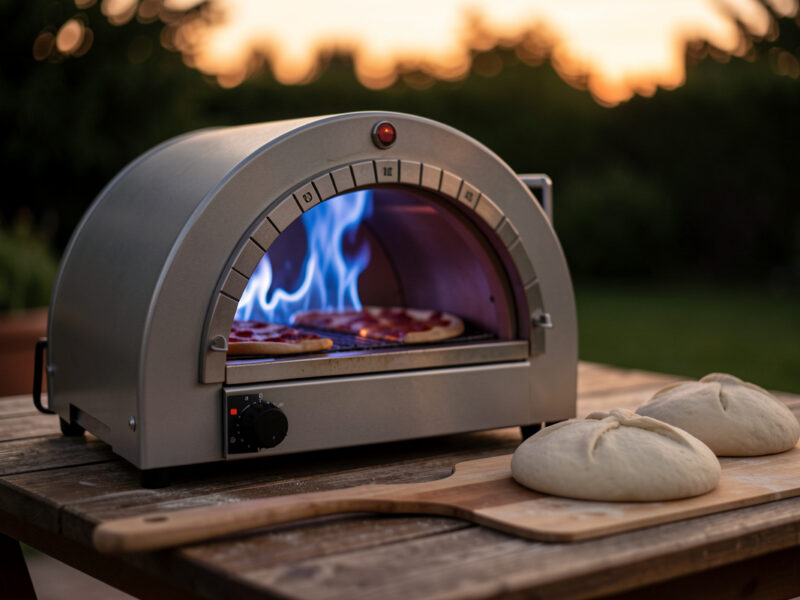
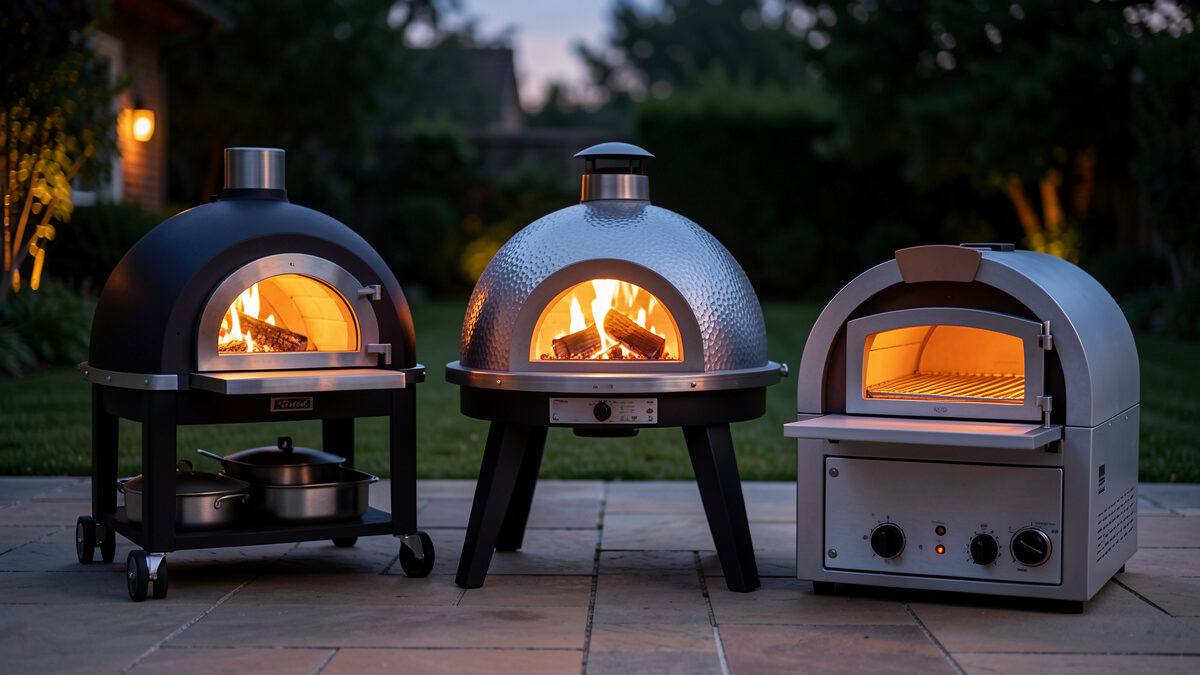
The oven classes split cleanly by fuel and location. Portable gas (Ooni Koda class) is the workhorse most people should start with: propane, fast heat soak, no fire-tending. Dual-fuel dome ovens (Gozney class) add a wood basket for people who want the ritual. Indoor electric (Effeuno class) trades the 500°C ceiling for an oven you can run in a Swedish winter without a coat. And the home-oven baseline — a 6mm pizza steel run under the broiler — is the honest benchmark every specialty oven gets judged against. If your steel pizzas already disappoint you, fix your dough before you spend a krona on a dedicated oven.
The mistake I see most often is buying for the pizza you imagine making rather than the one you will actually make on a Tuesday. People picture a 90-second Neapolitan with a leoparded cornicione and buy the oven that promises it, then discover they bake twice a summer and the thing lives under a tarp the rest of the year. The oven that earns its place is the one that fits how you really live: the climate you bake in, the space you have to run combustion safely, the patience you have for heat soak, and whether launching a wet 70% hydration dough under pressure excites you or terrifies you. Be honest about all four before you read a single spec sheet.
Pizza Oven Classes Compared
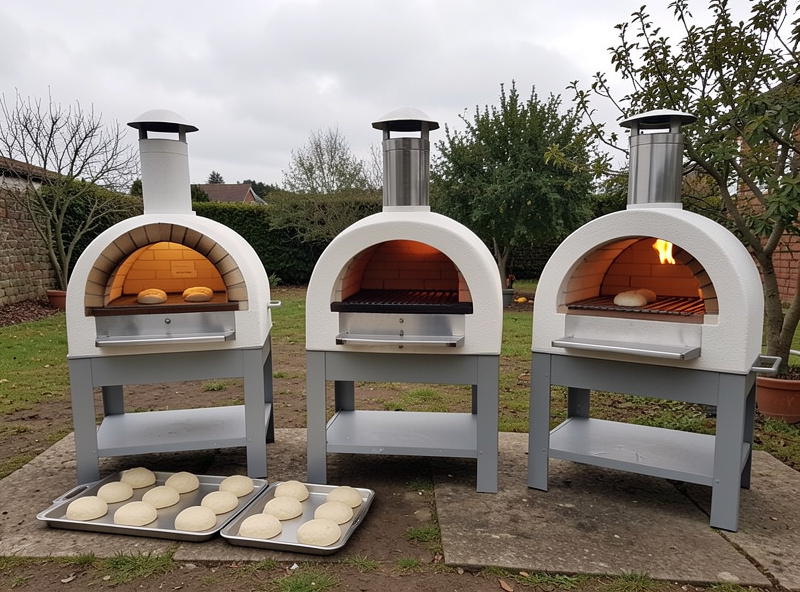
The table below is how I rank the four classes on the metrics that actually decide your weekly bake count: peak stone temperature, time to launch-ready, year-round usability, and where the fuel and noise put it. Notice that the “best” oven on paper (highest temp) is rarely the one that gets used most.
| Oven class | Peak stone temp | Time to launch-ready | Year-round / cold use | Best for |
|---|---|---|---|---|
| Portable gas (Ooni Koda class) | ~450°C | ~20 min | Outdoor only; struggles below 0°C | Fast Neapolitan, a few bakes a month |
| Dual-fuel dome (Gozney class) | ~480°C | ~30 min gas / ~45 min wood | Outdoor only; heavy, retains heat well | Ritual bakers who want wood option |
| Indoor electric (Effeuno class) | ~450°C with biscotto | ~40 min heat soak | Year-round, any weather | High-volume, cold-climate, all-season |
| Pizza steel in home oven | ~300°C surface | ~45 min + broiler | Year-round, free if you own a steel | Testing the hobby before you commit |
Two numbers do most of the work here. Peak stone temperature decides whether you can bake true Neapolitan (you want 430°C+ for a 60-90 second bake), and recovery time — how fast the stone climbs back after a cold pizza drops on it — decides whether pizza four is as good as pizza one. Marketing always quotes peak temp and never quotes recovery. The dome ovens win recovery because of mass; the thin portables win heat-up speed but sag on a long session.
Gas, Wood, or Electric: Which Fuel Is Right?
Gas is the right default for 90% of home bakers: instant, controllable, and a clean stone temperature you can read with an IR gun and trust. Wood is for people who enjoy the fire as much as the pizza. Electric is for anyone who bakes indoors or in real cold, where propane gets sluggish and fire-tending outdoors is miserable.
The fuel debate is where the mythology lives. The honest version: at a 90-second Neapolitan bake, you will not taste meaningful wood smoke in the crumb — the bake is too short for smoke to penetrate. What wood gives you is the experience and a slightly different radiant-heat character on the cornicione, not a flavor transformation. I cover this side-by-side in the gas vs wood honest comparison, where I baked the same batch in both the same night. If flavor is your goal, your ferment matters a hundred times more than your fuel — which is exactly why the dough fundamentals sit at the center of this whole site.
Is an Indoor Electric Pizza Oven Worth It?
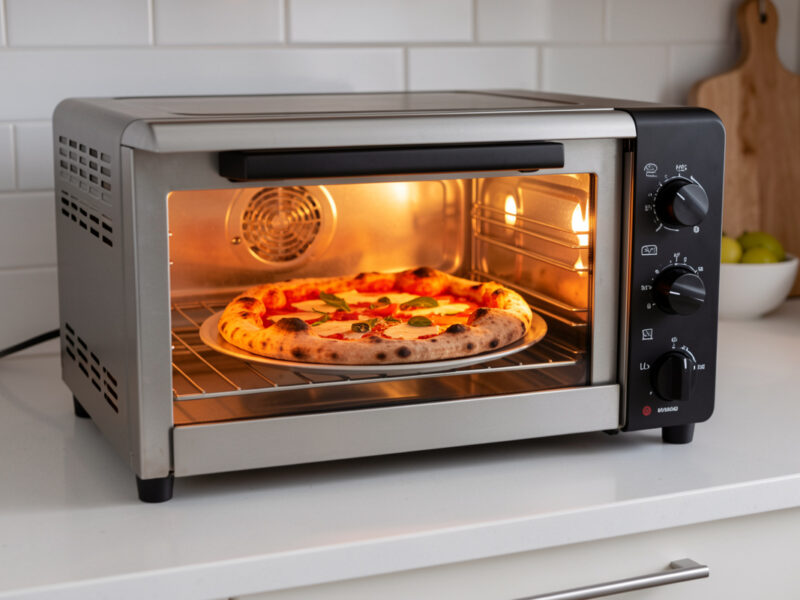
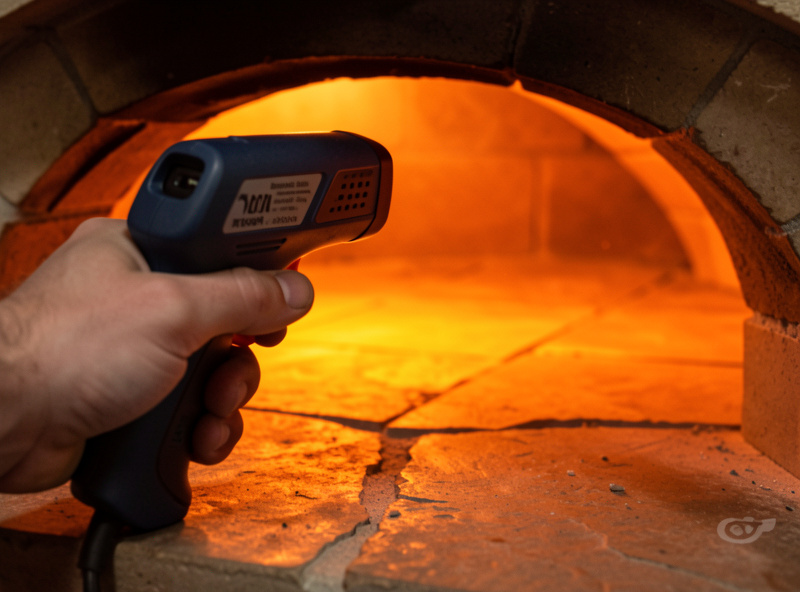
For year-round bakers and anyone in a cold climate, an indoor electric is the most-used oven you can buy. A 450°C electric with a biscotto stone fitted gives you Neapolitan-class results from the kitchen counter, no propane, no weather, no neighbors. It heat-soaks slower (~40 minutes) but rewards you with the highest bake count of any class.
The catch is the ceiling: most countertop electrics top out around 400-450°C, and the cheap ones with a plain steel deck never recover well between pizzas. The ones worth buying fit a thick biscotto-style stone that stores and releases heat like the dome ovens do. I treat my electric as the all-year reference every outdoor bake is judged against — it is on in January when the gas oven is buried in snow. The full case for and against is in the indoor electric worth-it breakdown.
Do You Need a Pizza Oven Built for Cold Weather?
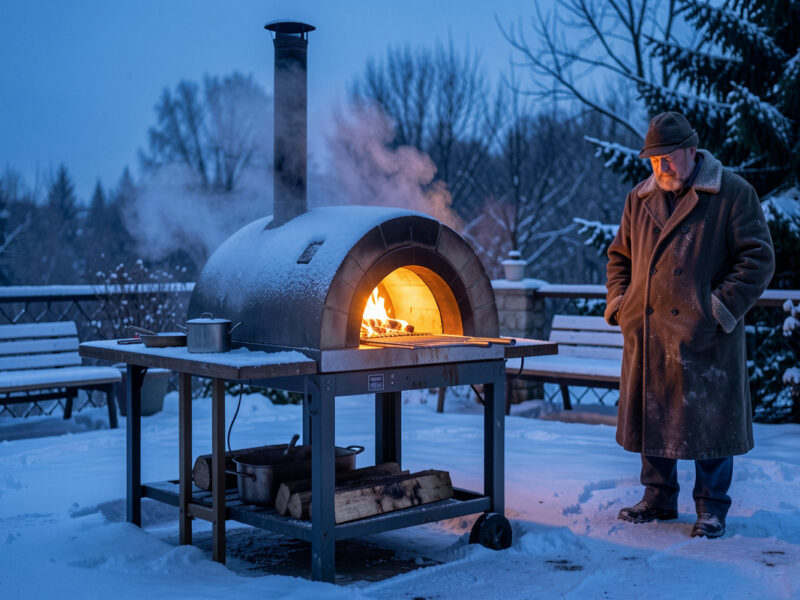
If you bake outdoors below freezing, heat retention and recovery matter more than peak temperature. A thin-walled portable that hits 450°C in summer can stall 50-80°C lower in a -5°C wind, and propane vapor pressure drops in the cold so the burner runs lean. Mass and wind shielding beat raw output once the ambient temperature falls.
This is where baking in Sweden taught me what a spec sheet cannot. At -5°C with any breeze, a thin portable’s stone temperature becomes a moving target — you launch, the open door dumps heat, and the recovery you got in July simply is not there. Dome ovens with real mass and a small door hold up far better; indoor electrics sidestep the problem entirely. I lay out the wind, ambient-cold, and propane behavior in detail in the cold-climate pizza oven guide. If your baking season is November to March, weigh recovery and mass over the headline number every time.
There is a practical kit angle too. In the cold I run the propane tank as full as I can and keep it out of the wind, because vapor pressure drops as the tank chills and a half-empty tank in a -5°C gust will starve the burner mid-session. I position the oven so the mouth faces away from the prevailing wind, and I accept a longer heat soak than the summer number. The IR gun stops being a nice-to-have and becomes essential, because the stone temperature you assume from the clock is simply wrong in winter. If you live somewhere genuinely cold and you still want to bake all year, this is the strongest argument for skipping outdoor gas entirely and buying the indoor electric — it is the one oven that does not care what the weather is doing.
What Size Pizza Oven Should You Buy?
Buy the oven sized to the pizza you actually make, not the biggest one on the shelf. A 12-inch oven bakes faster and heats quicker but limits you to personal pizzas; a 16-inch oven fits a proper pie and a turning peel but costs more fuel and heat-up time. For most home bakers making 11-13 inch pizzas, a 16-inch chamber is the sweet spot.
Size is a tradeoff people regret in both directions. Too small and you cannot fit a 13-inch Neapolitan or get a turning peel alongside it; too big and you are burning fuel to heat stone you never use, with a longer heat soak every session. The chamber depth and door width matter as much as the nominal “inches” on the box — a 16-inch oven with a cramped mouth is harder to launch into than the number suggests. I break down sizing by pizza style and batch count in the what-size guide.
Should You Buy a Used Pizza Oven?
A used pizza oven can be a smart buy if you check the stone, the burner, and the body for the failure modes that do not show in a photo. Cracked or spalled stones, a clogged or corroded burner jet, and warped doors are the three things that turn a bargain into a project. A clean used Ooni-class oven at half price is one of the best entries into the hobby.
The inspection matters because the wear points are predictable. Stones crack from thermal shock (someone launched a frozen dough ball or hosed a hot stone); burners clog from spiders and old propane; bodies rust at the seams in damp storage. None of these are dealbreakers if you know to look — a replacement stone is cheap, a burner clean is free. I keep a full used pizza oven checklist for exactly this, the same way I would inspect any used bench tool before handing over cash.
Why Your Dough Decides the Oven, Not the Other Way Around
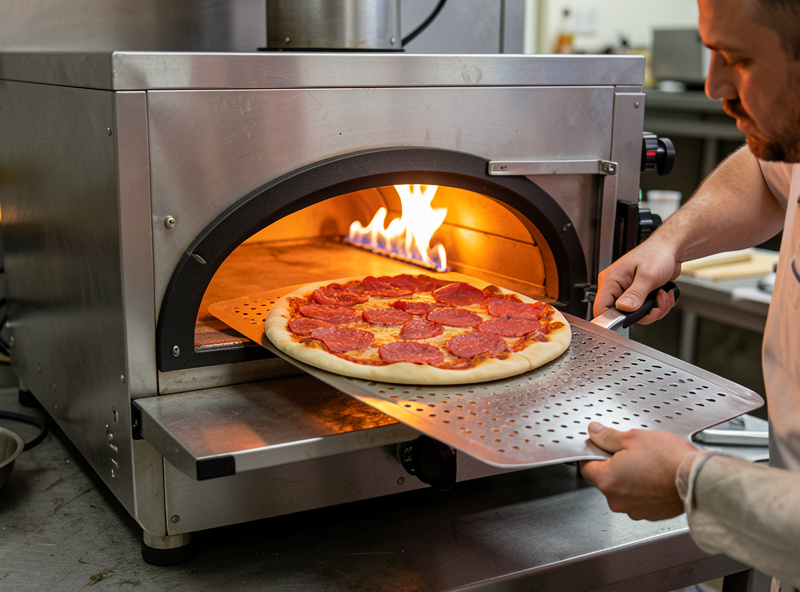
The dough is the variable that makes or breaks every pizza, and the oven only finishes what fermentation started. A perfectly heat-soaked 450°C oven cannot rescue under-fermented, low-hydration dough, while a well-built cold-ferment will bake beautifully on a humble steel. Get the dough right first, and any oven in this guide will reward you.
I judge ovens with the same dough every time precisely because dough is where most people go wrong and then misdiagnose the cause. Someone buys a 500°C oven, bakes a pale, tough pizza, and blames the machine — when the real problem was a same-day dough that never developed. The same starter that runs my fermentation bench raises every pizza on this site; the oven is just the last 90 seconds of a 48-hour process. Before you spend on heat, spend time on hydration, ferment schedule, and flour. A 65% hydration dough cold-fermented for 48 hours will out-bake a fancy oven fed bad dough every single time. That is why the dough guide is the foundation everything else on this site links back to, and why I tell people to settle their dough protocol before they choose a class of oven at all.
This is also the polymath crossover that shapes how I think about ovens. A pizza oven is a kiln you eat from — stone temperature, recovery, heat soak, thermal mass. It is the same thermal thinking as the curing chamber, the fermentation bench, and every other process-control project I run. Once you stop seeing the oven as a magic flavor box and start seeing it as an instrument that delivers a controlled, repeatable surface temperature, the buying decision gets simple: which instrument fits your bakes, your climate, and your space.
How Much Should You Spend on a Pizza Oven?
Spend on recovery and build quality, not on the headline temperature. The meaningful price tiers are roughly entry portable gas, mid-range dual-fuel, and indoor electric — and the jump that actually changes your pizza is from a thin-deck oven to one with a thick, heat-storing stone. Past that, you are paying for size, materials, and brand, not better slices.
Here is the cost reality I have lived. The cheapest portable gas ovens bake a genuinely good single pizza, then sag on pizza three because the thin stone cannot recover. Step up a tier and you get mass — that is the upgrade you feel. Dome dual-fuel ovens cost more and weigh a lot more, and most of that money buys retention and the wood option, not Neapolitan ability you did not already have. Indoor electrics with a biscotto stone sit in the upper-mid range but earn it on bake count, because they run every week of the year. Before any of this, remember the free tier: the pizza steel you may already own. If you have never run a steel under your broiler, that is the test purchase. The accessories budget is small but real — you need a launch peel, a turning peel, and an IR thermometer, and those three tools change your success rate more than another 50°C ever will.
The Accessories That Actually Change Your Bakes
Three tools matter more than the oven you pair them with: an infrared thermometer to read stone temperature before launch, a perforated aluminum launch peel so the dough releases cleanly, and a small turning peel to rotate mid-bake. Skip these and even a great oven produces stuck launches, raw centers, and one-sided char.
The IR gun is the single best purchase in this whole hobby. Launch confidence is a number, not a feeling — I do not open the door until the stone reads in range, because a guess at 350°C bakes a sad, pale pizza and a guess at 500°C scorches the base before the top sets. The launch peel is the next failure point: a floured wood peel grabs wet dough, while a perforated aluminum peel lets excess flour fall through and the pizza slides off clean. The turning peel solves the one-sided-char problem every gas-oven owner hits, because the flame end of the chamber always runs hotter. None of this is expensive, and all of it outperforms spending the same money on a bigger oven. The deeper logic on stone temperature discipline — target ranges by style, recovery time, heat soak — is its own discipline worth learning before you blame the machine.
The One Oven Most People Should Start With
If you want a single recommendation: a 16-inch portable gas oven is the right first dedicated oven for most people. It is the class I keep coming back to as the workhorse reference — fast, repeatable, and forgiving enough that your dough becomes the limiting factor, which is where it should be. My long-running notes on the most common one are in the Ooni Koda 16 long-term review.
But here is the thing I tell everyone first: spend a month with a pizza steel and a fixed dough protocol before you buy anything. If your steel pizzas already taste great and you just want speed and char, buy the gas oven with confidence. If they disappoint you, the oven was never the problem — cold-ferment your dough, dial your hydration, and bake again. A pizza oven is a kiln you eat from; the last 90 seconds only finish what the 48 hours of fermentation started.
Frequently Asked Questions
What is the best type of pizza oven for beginners?
A 16-inch portable gas oven is best for most beginners. It heat-soaks in about 20 minutes, holds a steady stone temperature you can read with an IR gun, and needs no fire-tending, so your dough becomes the only variable to master.
Do wood-fired pizza ovens make pizza taste better than gas?
Not meaningfully at Neapolitan bake times. A 90-second bake is too short for wood smoke to penetrate the crumb. Wood adds ritual and a slightly different radiant heat, but your ferment affects flavor far more than your fuel choice.
Can you use a pizza oven indoors?
Only indoor electric ovens are designed for indoor use. Gas and wood ovens produce combustion gases and must run outdoors with clearance. A 450C electric with a biscotto stone gives year-round, all-weather Neapolitan results from the kitchen counter.
What stone temperature do you need for Neapolitan pizza?
Aim for 430C or higher for a true 60 to 90 second Neapolitan bake. Below about 400C the bake stretches past two minutes and the crust dries instead of leoparding. Check the stone with an infrared thermometer before every launch.
Is it worth buying a used pizza oven?
Yes, if you inspect three things: the stone for cracks or spalling, the burner jet for clogs or corrosion, and the body for rust at the seams. A clean used Ooni-class oven at half price is one of the best entries into the hobby.
What size pizza oven should I buy?
A 16-inch chamber suits most home bakers making 11 to 13 inch pizzas, leaving room for a turning peel. Choose 12-inch only if you bake personal-size pizzas and want the fastest heat-up and lowest fuel use.
Related Guides
- Ooni Koda 16: A Long-Term Review
- Gas vs Wood Pizza Oven: The Honest Difference
- Is an Indoor Electric Pizza Oven Worth It?
- Pizza Oven for Cold Climate: The Nordic Reality
- Used Pizza Oven Checklist
- What Size Pizza Oven Should You Buy?
- Pizza Steel vs Stone (Home Oven)
Related Guides — Complete Spoke List
Full spoke list of the Choosing a Pizza Oven cluster:
- “What Size Pizza Oven Should You Actually Buy?”
- “Used Pizza Oven Checklist: What to Inspect”
- “Pizza Oven for Cold Climate: The Nordic Reality”
- “Is an Indoor Electric Pizza Oven Worth It?”
- “Gas vs Wood Pizza Oven: The Honest Difference”
- “Ooni Koda 16 Review: A Long-Term Verdict”
More From This Site
Other guides across choosing a pizza oven and the rest of the Pizzatech library:
- “What Size Pizza Oven Should You Actually Buy?”
- “Used Pizza Oven Checklist: What to Inspect”
- “Pizza Oven for Cold Climate: The Nordic Reality”
- “Is an Indoor Electric Pizza Oven Worth It?”
- “Gas vs Wood Pizza Oven: The Honest Difference”
- “Ooni Koda 16 Review: A Long-Term Verdict”
- “Home Oven Max Temp Workarounds for Better Pizza”
- “Pizza Stone and Steel Care: Cleaning
- “Pizza on the Grill With a Stone: What Actually Works”
- “Preheat Time: Steel vs Stone (and Why the Gap Matters)”
- “The Broiler Method: Real Neapolitan-ish Pizza in a Home Oven”
- “Pizza Steel Thickness: How Thick Is Worth It?”
- “Pizza Steel vs Stone: The Honest Home-Oven Verdict”
- “Same-Day vs Overnight Pizza Dough: Which to Make”
- “Pizza Dough Balls: Storage
- “Pizza Dough Too Sticky? Fix It Without Adding Flour”
- “Poolish Pizza Dough: The Preferment Method”
- “00 Flour vs Bread Flour for Pizza: What Actually Matters”
- “Cold Ferment Pizza Dough: The 48-Hour Method”
- “Pizza Dough Hydration Explained (and How to Pick Yours)”
- “How to Make Pizza Dough: The Complete Guide”

About Kenny Nyhus Fadil
A home pizza maker documenting deck temps, dough logs, and the occasional wrecked launch.